![[C]Worthy](http://images.squarespace-cdn.com/content/v1/66b3f00a872f892fc1c3299b/02f683d5-3e94-4cc3-90e5-cc909ba570a6/01-CWorthy-Wordmark-Red-RGB.png?format=1500w)
LEARN
A collection of announcements and media coverage that feature our work: both updates we’ve shared and places our efforts have been highlighted in the broader climate and science community.
News
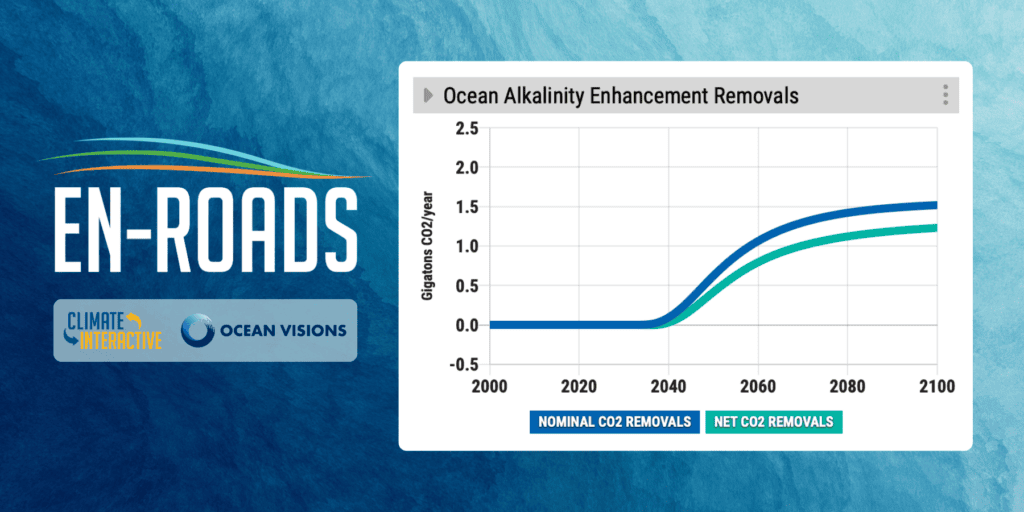
Ocean Alkalinity Enhancement Added to the En-ROADS Climate Solutions Simulator
Ocean Visions and Climate Interactive have added an Ocean Alkalinity Enhancement (OAE) feature to the En-ROADS Climate Solutions Simulator, giving policymakers and stakeholders a science-based tool for exploring marine carbon dioxide removal within broader climate strategies.
![[C]Worthy's Abigale Wyatt Featured on Plan Sea Podcast on mCDR Science Communication](https://images.squarespace-cdn.com/content/v1/66b3f00a872f892fc1c3299b/1787931207267-1LPPZX1MGAN4RDPCD5AQ/plansea_podcast.jpg)
[C]Worthy's Abigale Wyatt Featured on Plan Sea Podcast on mCDR Science Communication
[C]Worthy’s Dr. Abigale Wyatt joined Carbon to Sea's Plan Sea podcast to share lessons from the COMPASS mCDR Communication Leaders program on effectively communicating about ocean-based carbon removal science.
Atmospheric instrument hitches ride on Antarctic planes
SCARGO is funded by the NSF Office of Polar Programs. The research is led by NSF NCAR in collaboration with NOAA, the Cooperative Institute for Research In Environmental Sciences (CIRES), [C]Worthy, and Earth Sciences New Zealand. The flights are operated by the New York Air National Guard in support of the U.S. Antarctic Program.
![[C]Worthy Secures Multi-Year Support From ORCA and the Patrick J. McGovern Foundation to Scale Open-Source Marine Carbon-Removal Tools](https://images.squarespace-cdn.com/content/v1/66b3f00a872f892fc1c3299b/1763768612818-3SB7JW7L0FSD2P9TIWQY/sarah-penney-xlp5HJnYzGw-unsplash.jpg)
[C]Worthy Secures Multi-Year Support From ORCA and the Patrick J. McGovern Foundation to Scale Open-Source Marine Carbon-Removal Tools
New multi‑year awards affirm the need for infrastructure built through [C]Worthy’s approach of marrying open-source science and practical tools for industry use.

Direct Ocean Capture: A Potential Pathway to Certified Low-Carbon CO2 for E-Fuels
As marine carbon dioxide removal (mCDR) technologies continue to advance, there’s emerging interest in using CO2 from direct ocean capture (DOC) as a feedstock for E-fuels.
New Marine Carbon Dioxide Removal Coalition Unites Sector Leaders On Responsible Industry Advancement
Today marks the establishment of a new marine carbon dioxide removal (mCDR) coalition that brings together a roster of industry leaders who will work on advancing this promising decarbonization field in a responsible and high-integrity manner.

Is It Too Soon for Ocean-Based Carbon Credits?
Matt Long, CEO and co-founder of [C]Worthy, told me that he thinks it’s both appropriate and important to start issuing credits for ocean alkalinity enhancement — while also acknowledging that “we have robust reason to believe that we can do a lot better” when it comes to assessing these removals.
Former MIT researchers advance a new model for innovation
“Early progress from the first focused research organizations has strengthened Marblestone’s conviction that they’re filling a gap.
[C]Worthy is the FRO building tools to ensure safe, ocean-based carbon dioxide removal. It recently released an interactive map of alkaline activity to improve our understanding of one method for sequestering carbon known as ocean alkalinity enhancement.”
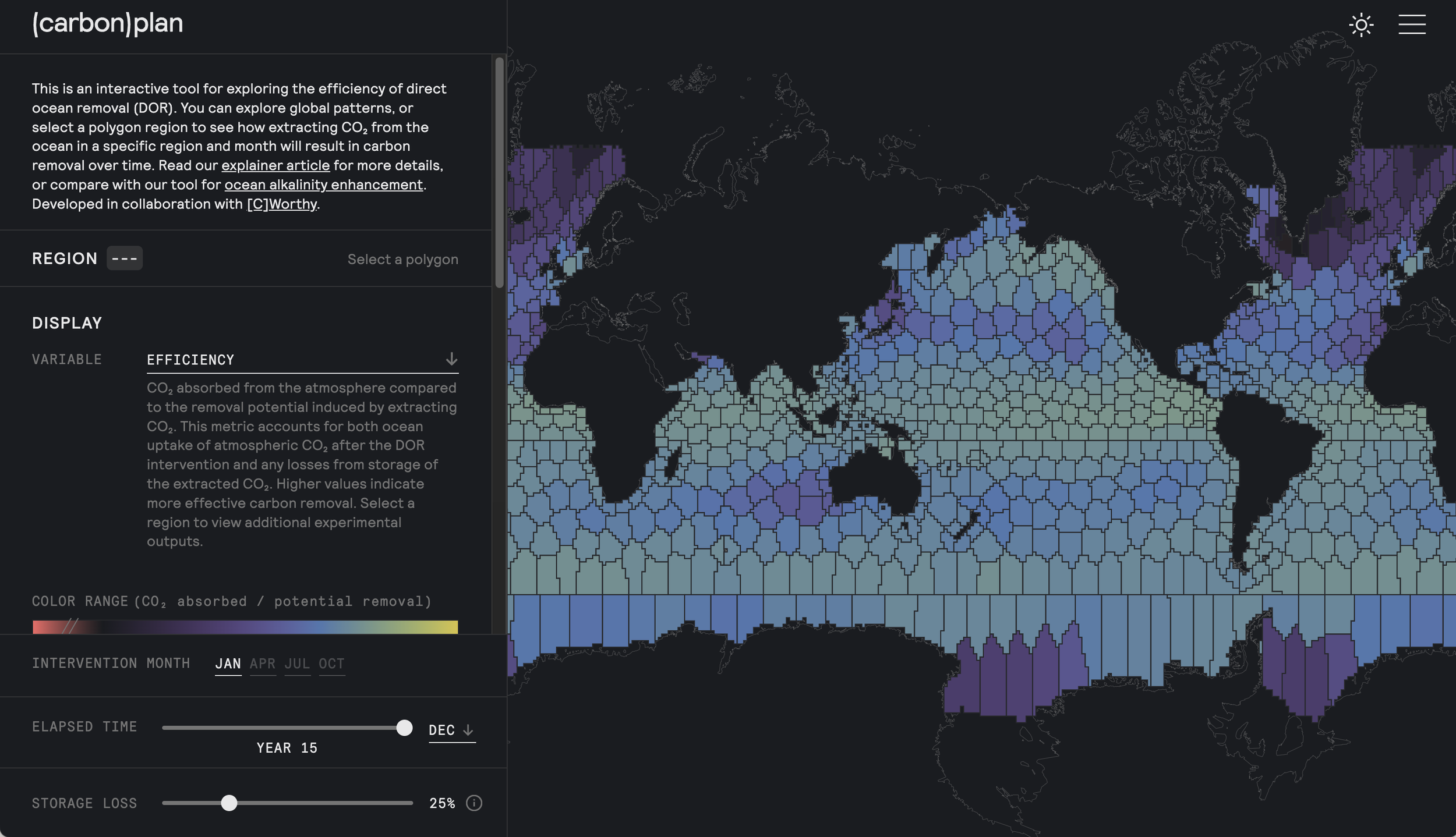
Product Launch: Introducing the Direct Ocean Removal (DOR) Efficiency Map
Today, [C]Worthy launches the Direct Ocean Removal (DOR) Efficiency Map in collaboration with our partners at CarbonPlan.

The deep carbon sink
‘"Large volume for contact is one of the reasons why the ocean presents scalable approaches to carbon dioxide removal," says Matthew Long, an Adjunct Scientist at the Woods Hole Oceanographic Institution (WHOI) in the U.S. Long is the Co-founder and CEO of [C]Worthy, a non-profit that researches marine CDR solutions.’
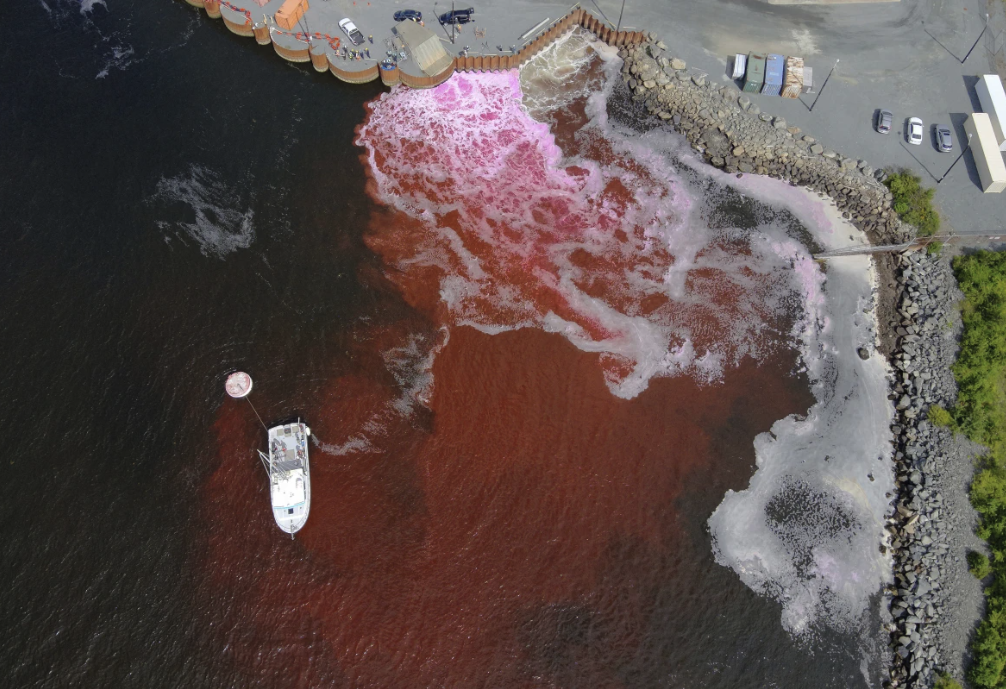
Ocean dumping – or a climate solution? A growing industry bets on the ocean to capture carbon
“Even if these solutions do work long term, most companies are operating on too small of a scale to influence the climate. Expanding to meet current climate goals will take massive amounts of resources, energy and money.”
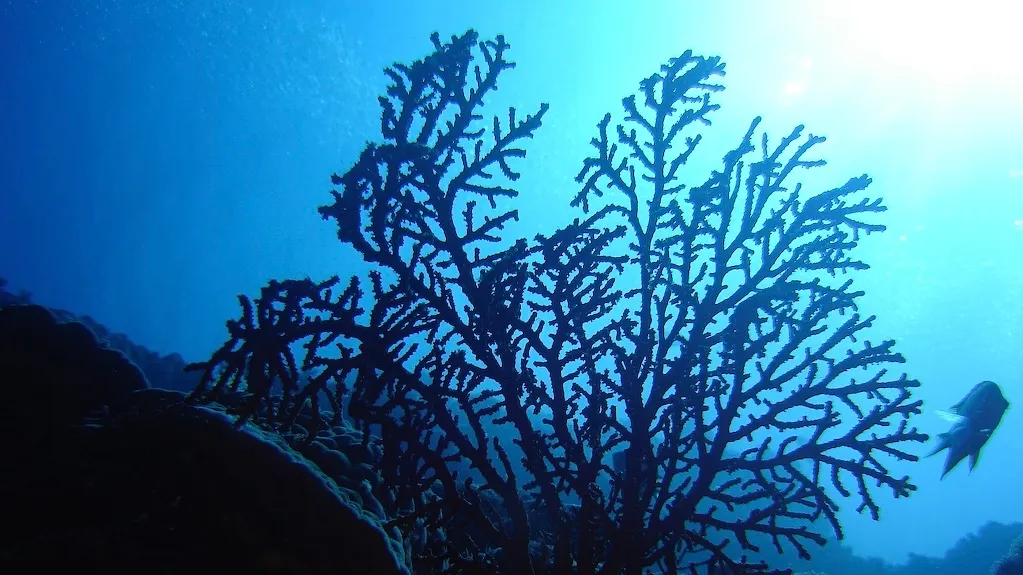
Scientists are trying to figure out how to help the ocean absorb even more climate-changing pollution
[C]Worthy cofounder and CTO Alicia Karspeck is interviewed by Yale Climate Connections: “It’s actually a natural process that happens already on very long geologic timescales, and it’s a matter of just accelerating that natural process.”

SXSW 2025 Community Service Awards Honorees Announced
SXSW named [C]Worthy CEO Matt Long a 2025 Community Service Award honoree, recognizing his leadership in building the science infrastructure needed for safe, effective ocean-based carbon removal.
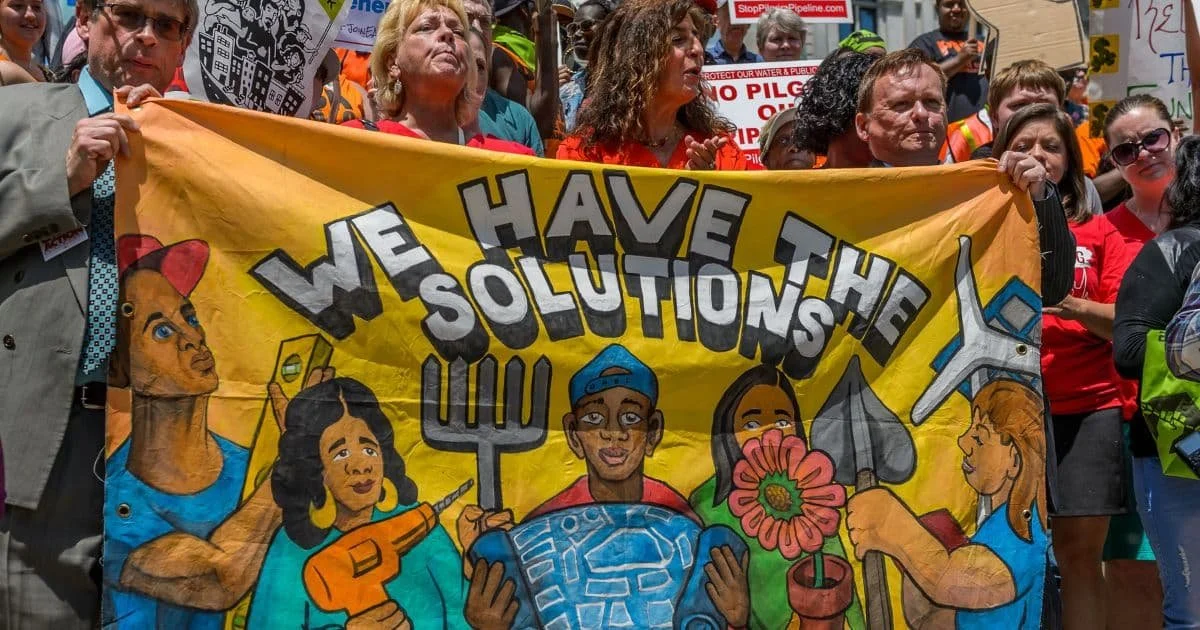
Four Potential Climate Solutions — and Their Viability
“This is pretty hard, right?,” University of Hawaii Oceanography Professor David Ho tells Sentient. “If we’re talking about carbon dioxide removal, basically, you’re talking about the largest thing that humanity has ever done.”

What will a second Trump term mean for cleantech and climate mitigation markets?
‘[Karspeck] said building trust is fundamental to effective markets, “even more the case when you don’t have the government actually creating or mandating that.”’