![[C]Worthy](http://images.squarespace-cdn.com/content/v1/66b3f00a872f892fc1c3299b/02f683d5-3e94-4cc3-90e5-cc909ba570a6/01-CWorthy-Wordmark-Red-RGB.png?format=1500w)
Our Team
-
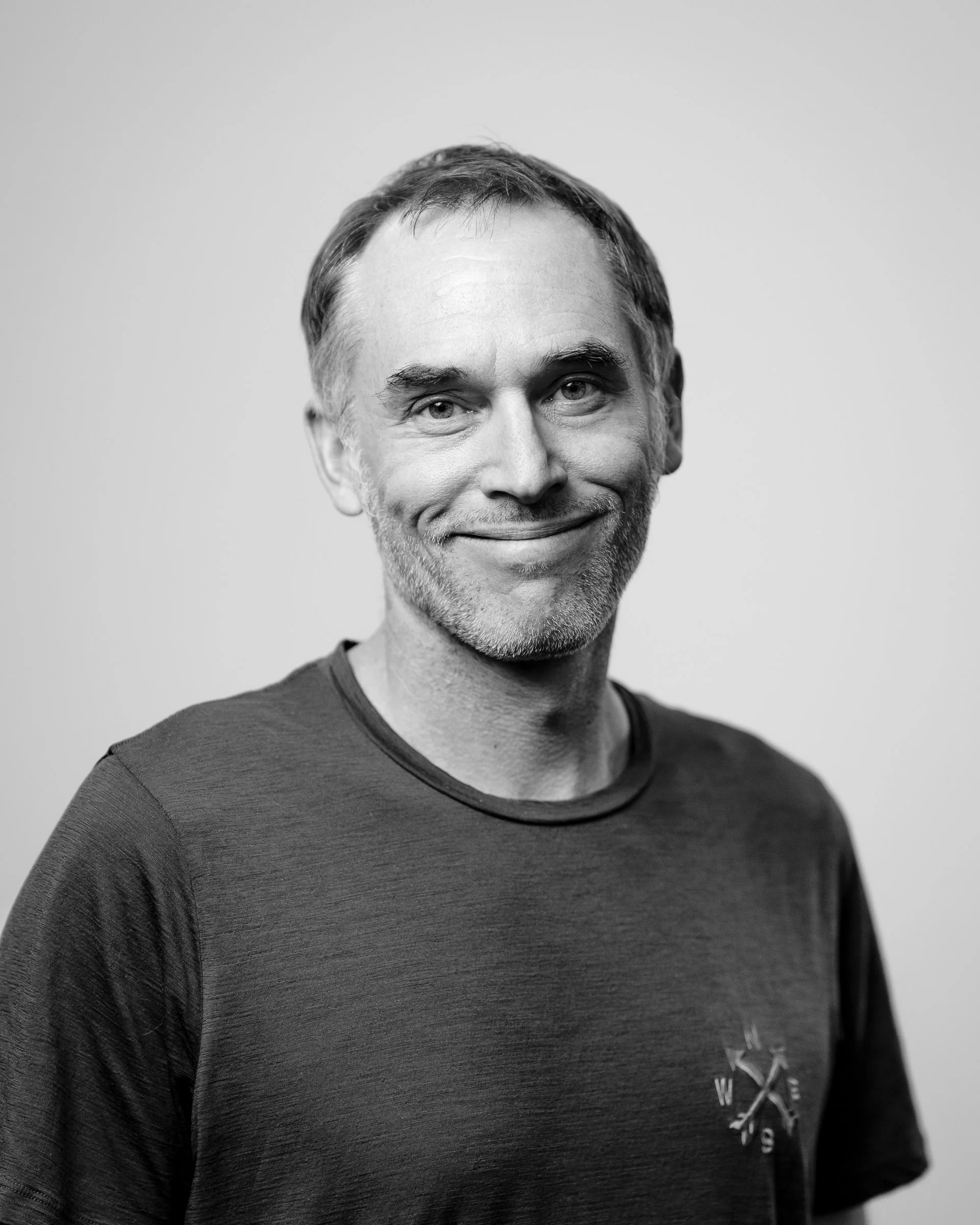
Matt Long, Ph.D. was formerly a Scientist in the Oceanography Section of the Climate & Global Dynamics Laboratory at the National Center for Atmospheric Research. He worked on the development of the Community Earth System Model and researches ocean biogeochemistry, carbon cycle, marine ecosystems, climate variability and change, and led the group developing the MARBL biogeochemical model.
-
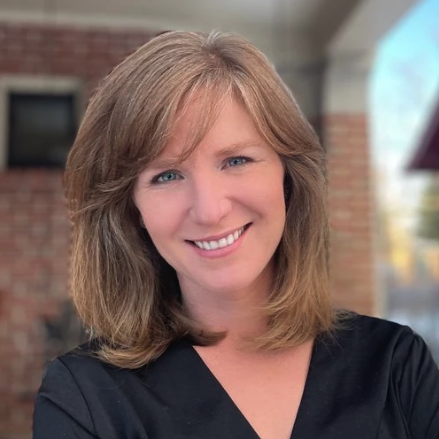
Alicia Karspeck, Ph.D. was formerly the Director of Earth Information Program at SilverLining—with a focus on accelerating the accessibility of Earth system data and models. She spent over 10 years at NCAR leading the global ocean and coupled data assimilation efforts for the CESM model and has held technical leadership roles at multiple private risk analytics firms.
-
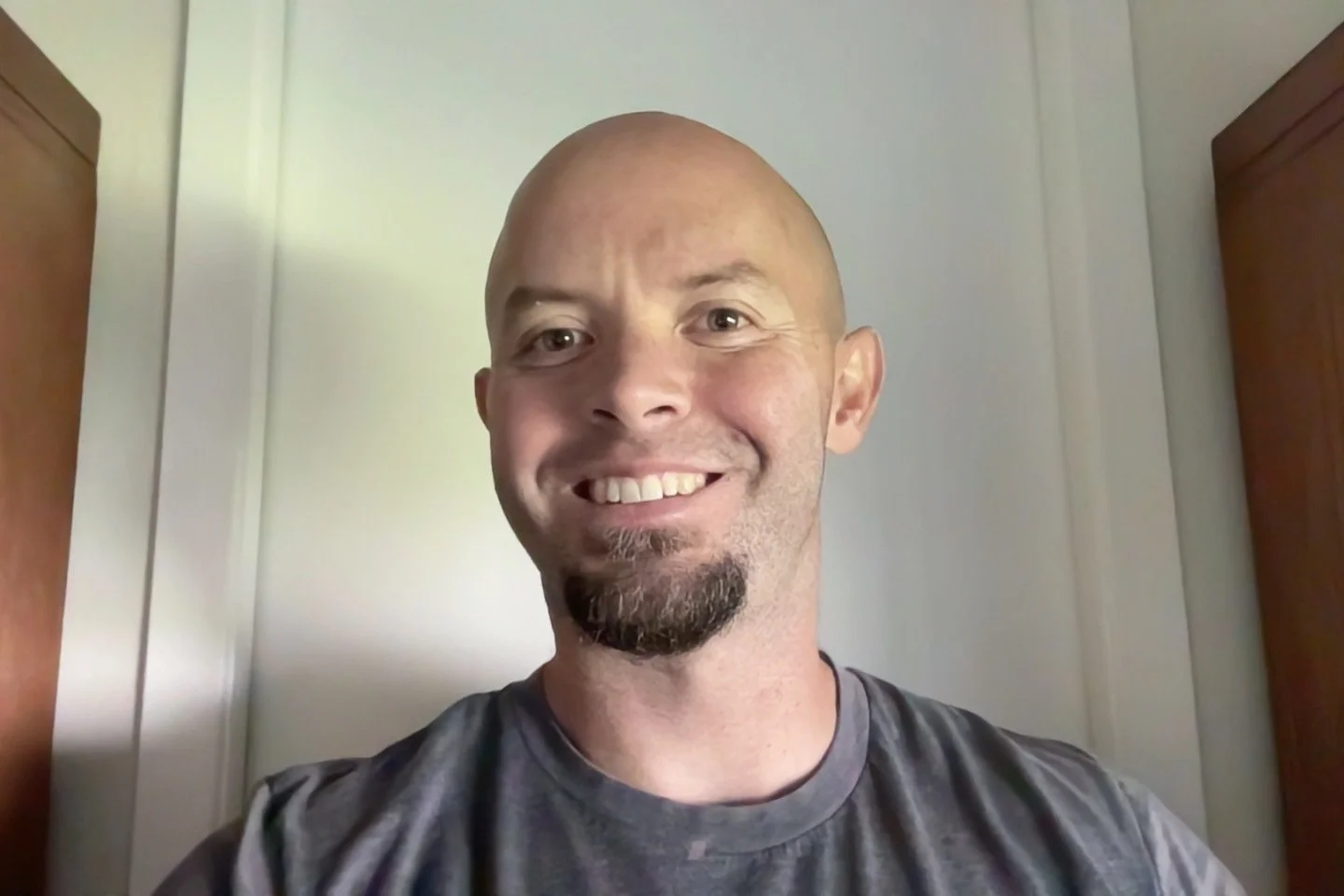
Scott Bachman, Ph.D. is a former NCAR Scientist specializing in ocean numerical algorithms, parameterization, and HPC implementation. Multiple peer-reviewed contributions to eddy parameterization and subgrid closures (Bachman 2024, JAMES; Bachman 2019, Ocean Modelling; Bachman et al., 2020, JAMES). He leads numerical methods and ROMS enhancements at [C]Worthy.
-
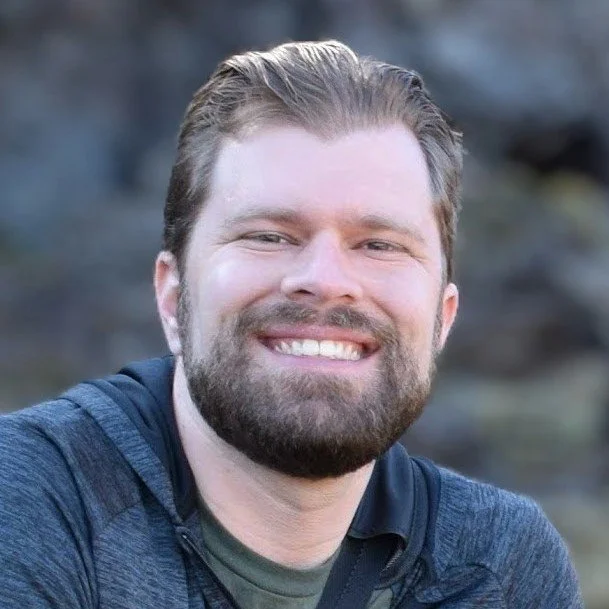
Scott Eilerman, Ph.D. formerly studied plasma physics and has spent a decade scaling scientific modeling—Principal Scientific Software Engineer at Jupiter Intelligence (climate risk) and Senior Software Engineering Manager at Ascend Analytics (energy markets)—bridging research codes to cloud-deployed SaaS. He coordinates C-Star architecture at [C]Worthy.
-
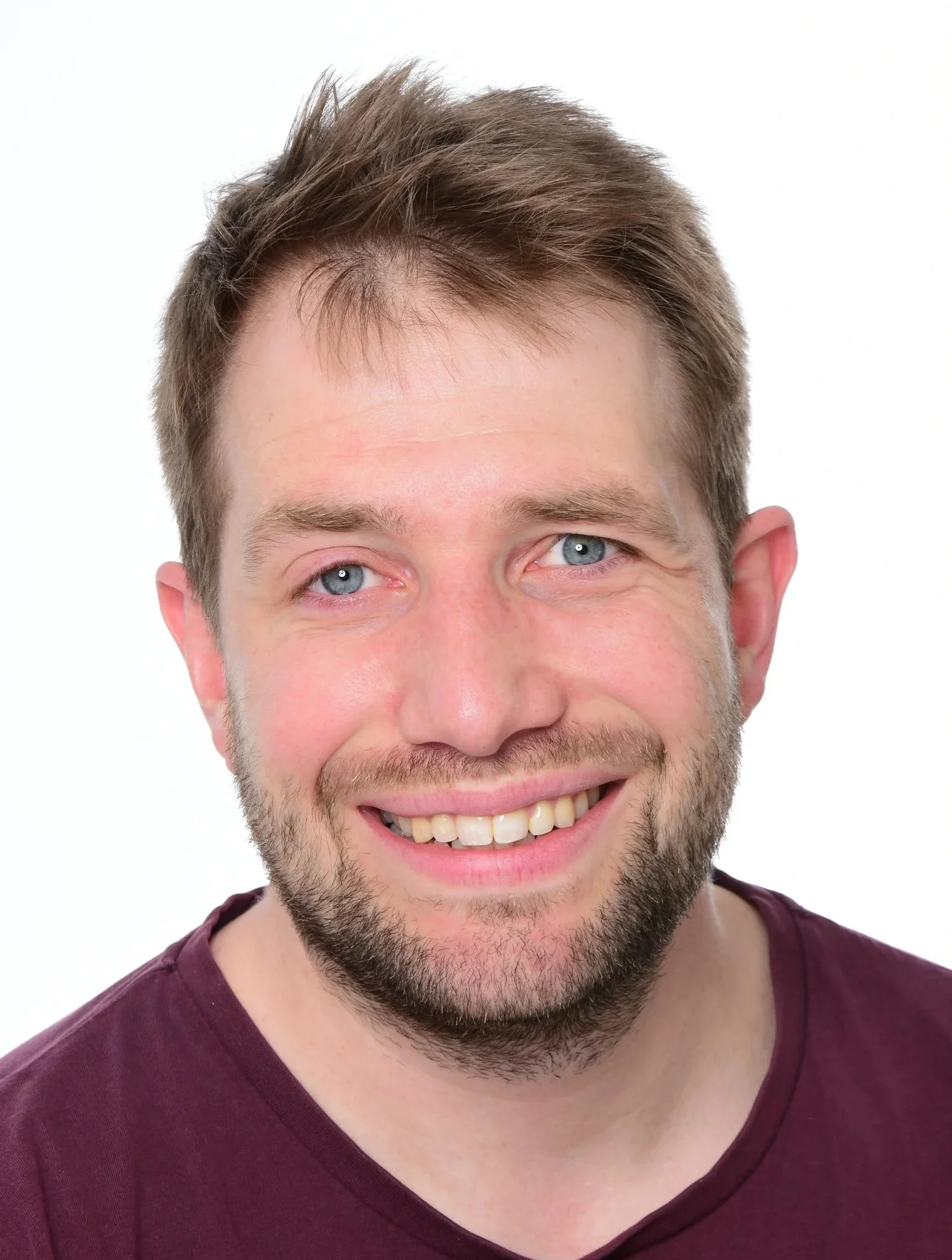
After completing his undergraduate and graduate studies in Chemistry at the University of Kiel, Lennart completed a Ph.D. at the GEOMAR Helmholtz Centre for Ocean Research Kiel, focusing on ventilation studies in the Arctic Ocean and the Gulf of St. Lawrence using tracer measurements. At [C]Worthy, Lennart contributes to field observations—he plans, conducts and analyzes dual tracer release experiments, as well as implements alkalinity additions in various field trials.
-
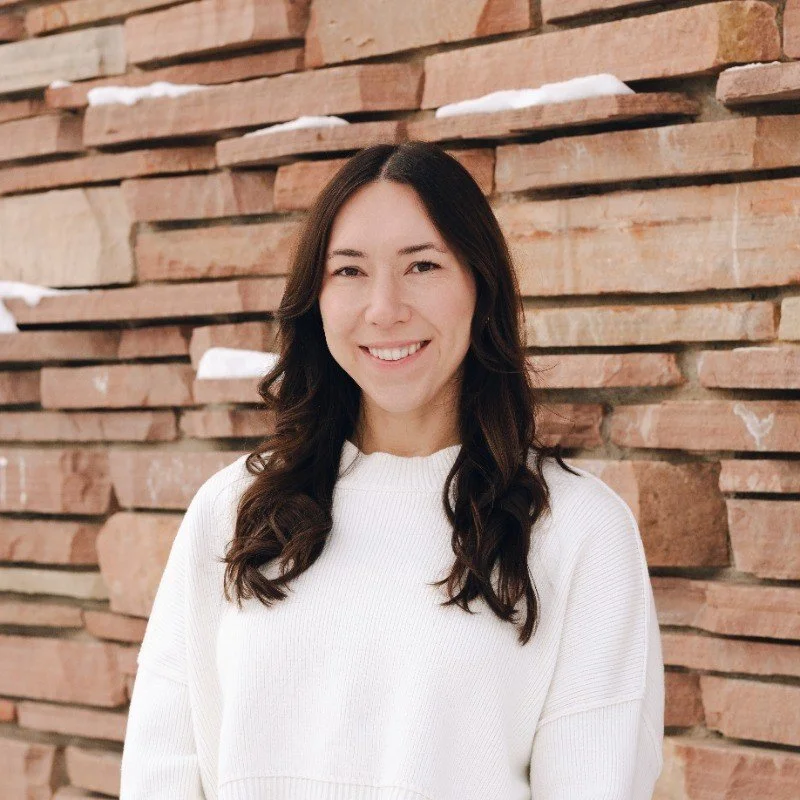
Fiona formerly worked in philanthropy and neuroscience, spending almost a decade managing and evaluating programs at the Chan Zuckerberg Initiative and overseeing data production pipelines at the Allen Institute for Brain Science. At [C]Worthy, she drives strategic planning, process optimization, financial management, and cross-functional collaboration to maximize organizational effectiveness. Fiona holds an M.S. in Measurement & Evaluation from American University and a Graduate Certificate in Project Management from the University of Washington.
-
Ulla Heede received her Ph.D. as a NASA FINESST graduate fellow at Yale University and afterwards held a CIRES postdoctoral visiting fellowship at University of Colorado Boulder with over 10 publications across journals such as Nature Climate Change and Journal of Climate. Her broader research background spans tropical climate dynamics and ocean–atmosphere interactions. At [C]Worthy, she is developing ocean modeling tools that can be applied to research, validate, and optimize marine CDR deployment. She is the lead ocean modeler for the Hvalfjörður, Iceland project.
-
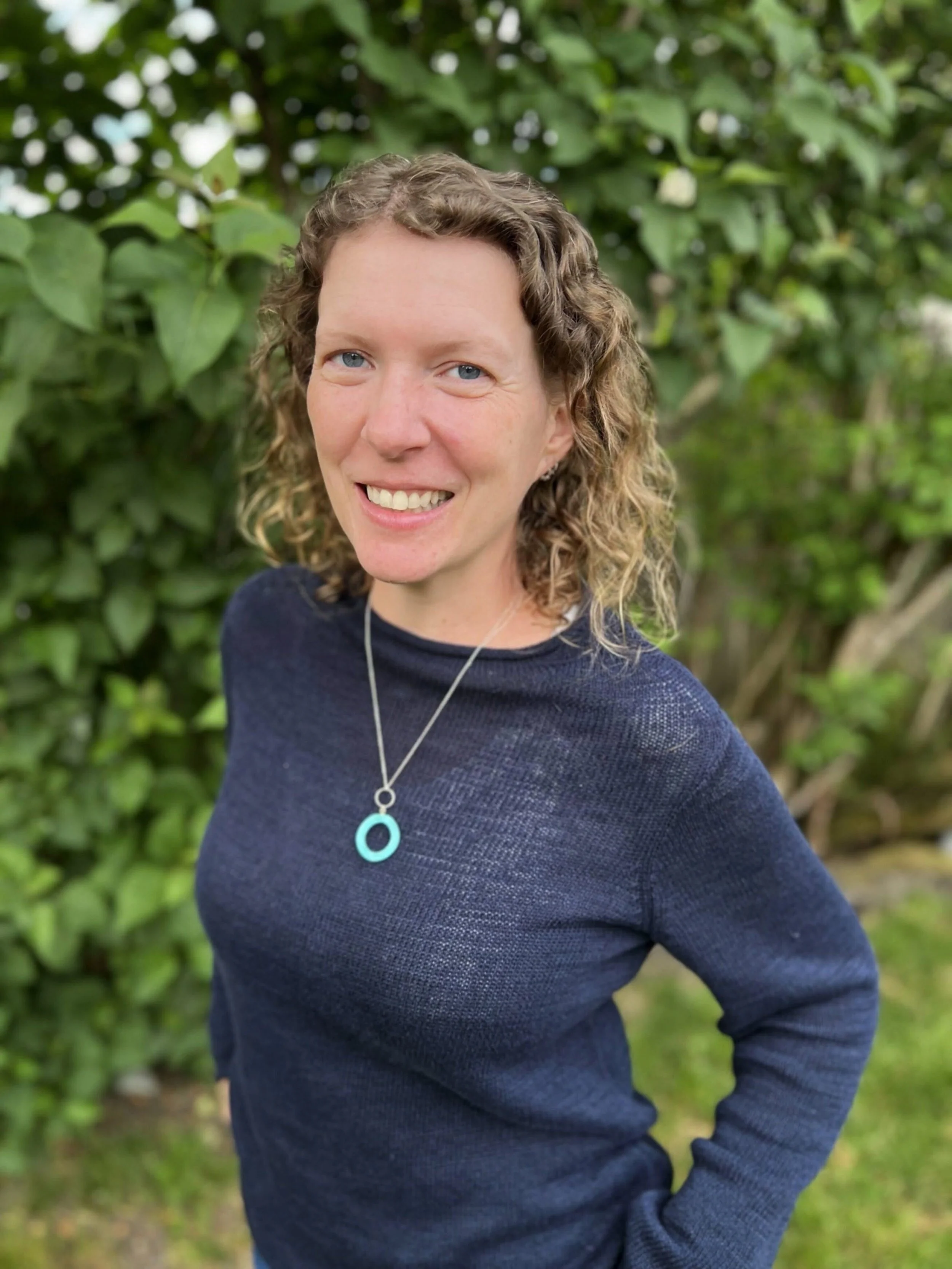
Kristen previously worked at Axiom Data Science/Tetra Tech developing software and validation workflows for ocean models, especially ROMS, and building particle tracking tools with OpenDrift. Before that, she was an Assistant Research Professor at Texas A&M University researching transport processes in the Gulf of Mexico and teaching Python and Oceanography. At [C]Worthy, Kristen contributes to the development of the C-Star technical stack.
-
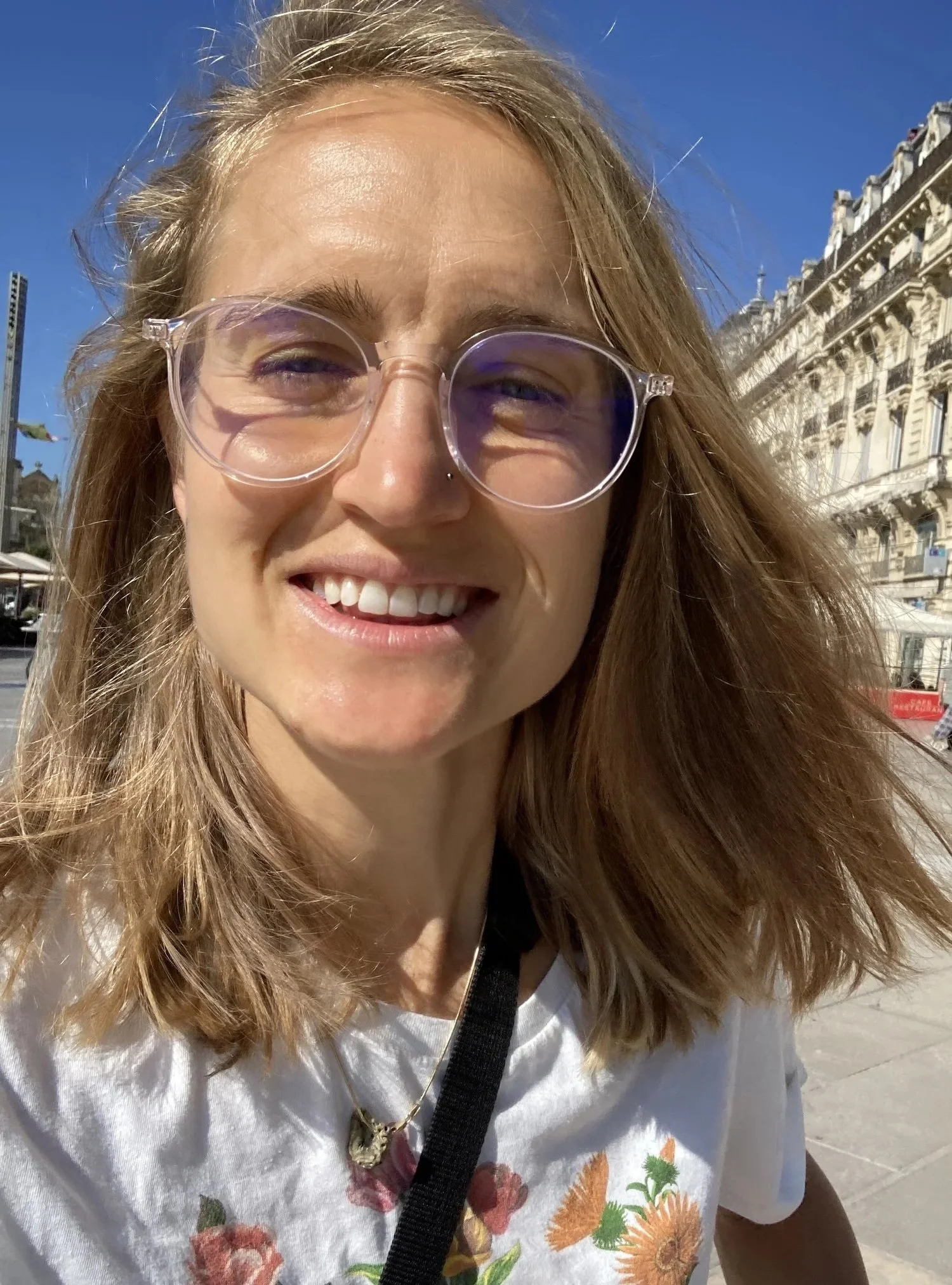
Sam’s graduate work at Stanford University and postdoctoral research at the Université de Montpellier, France focused on nearshore flow dynamics and waves in coral reef lagoons. Starting with in-situ experiments and fluid mechanic theory, she then migrated into numerical ocean modeling. She was previously a computational scientist at the JCSDA UCAR integrating earth observations into data assimilation workflows. At [C]Worthy, she is developing ocean modeling tools that can be applied to research, validate, and optimize mCDR deployment.
-
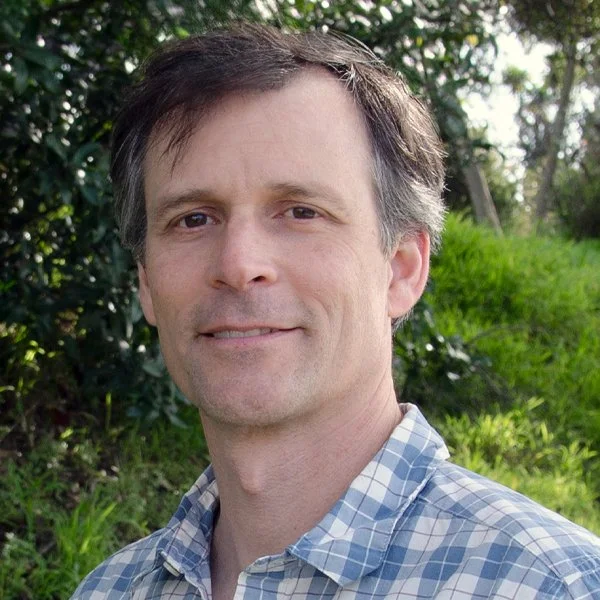
With a Ph.D. from Stanford, Ben has partnered on and managed ocean-climate projects across academia and industry. He previously consulted as a staff member at RMA, Inc., and with Stanford University, Google-X, and others on projects that included ocean CDR, seaweed aquaculture, hydraulic / biogeochemical model development, and water resources. He was the primary developer of the KEI coupled vertical biogeochemical ocean model, and co-author on key ocean CDR papers including DeAngelo et al. (2022, Nature Plants) and Arzeno-Soltero et al. (2023, Commun. Earth Environ.) on seaweed-farming CDR potential. At [C]Worthy, Ben oversees the application of the C-Star platform to ocean-climate issues and specific ocean CDR efforts.
-
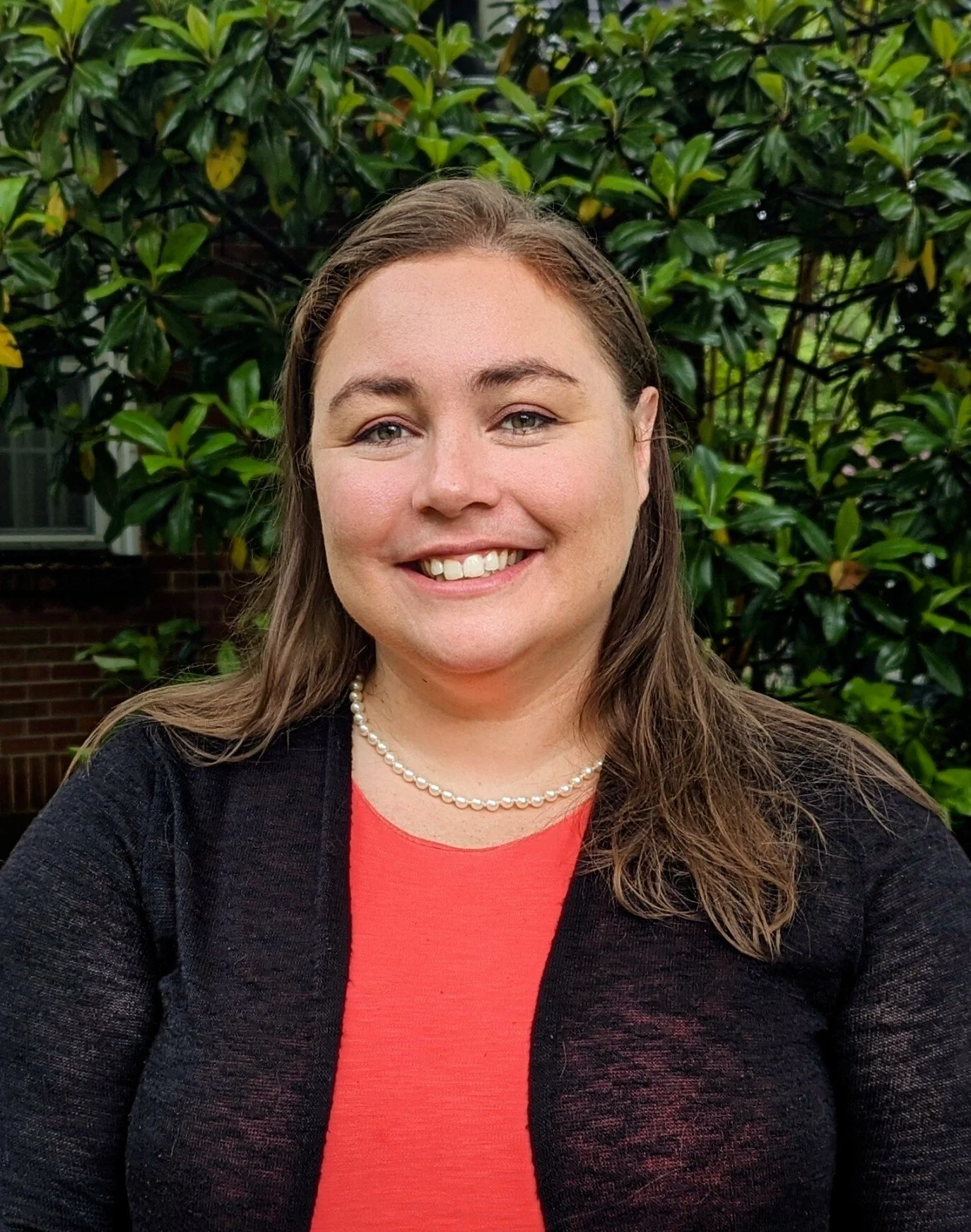
Abigale received her Ph.D. from Princeton, is a NSF Graduate Research Fellow, and former Intelligence Analyst in the U.S. Navy. Abigale has a background in organic carbon cycling, combining ocean modeling with observational sampling methods, and is co-author on multiple NASA EXPORTS-program flux papers (Clevenger et al., 2024; Roca-Martí et al., 2021; Buesseler et al., 2020). At [C]Worthy, she leads C-Star–based CDR efficiency simulations of the Salish Sea.
Our Board
-
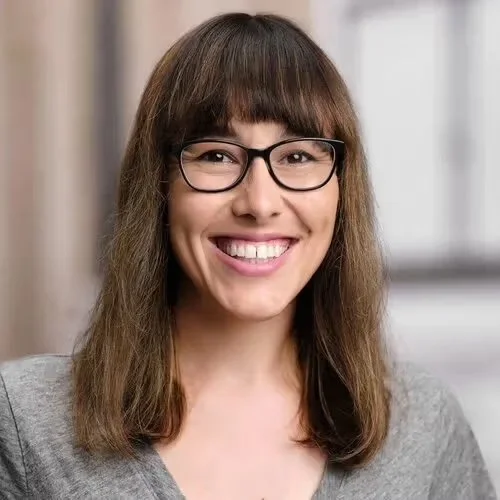
Anastasia Gamick is the Co-Founder and President of Convergent Research, where she helped pioneer the Focused Research Organization (FRO) model: mission-driven, time-bound teams designed to solve large-scale scientific bottlenecks that neither academia nor industry is well-structured to tackle.
Anatasia grew Convergent from an idea into a nonprofit incubator supporting multiple FROs across fields like neuroscience, synthetic biology, and climate. She sits on the boards of Forest Neurotech, EvE Bio, Cultivarium, Dragonfly, [C]Worthy, Unitary Fund, and others, advising bold scientific efforts with public-good missions. Her work blends startup execution with institutional design, helping build the infrastructure and partnerships needed for science at scale.
Prior to Convergent, she held roles at Neuralink, Creator, Segovia, and Curative, with a career spanning frontier tech, global health, and science operations.
-
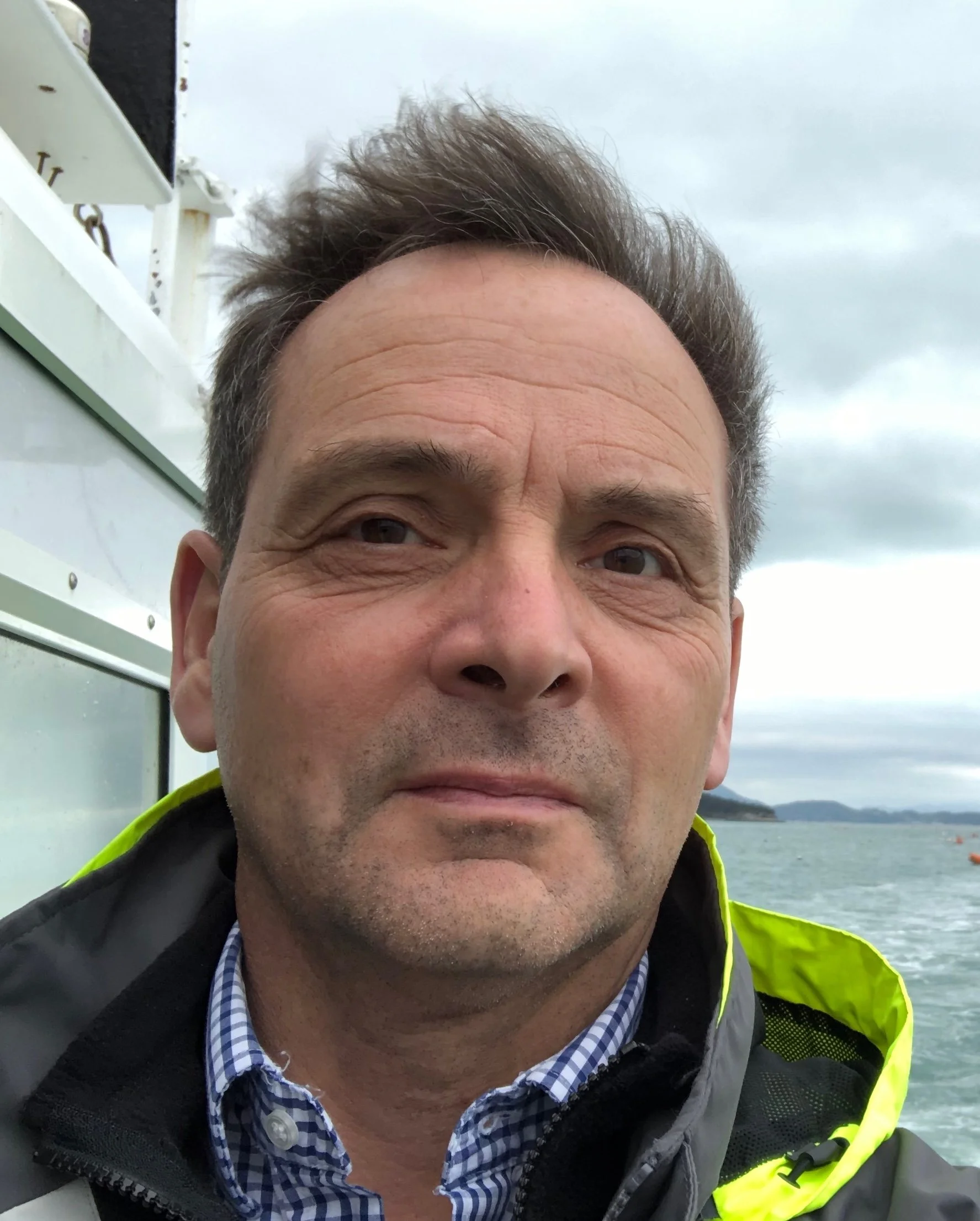
Dr. Marc von Keitz, Ph.D., is the Director for Oceans at the Grantham Foundation for the Protection of the Environment, a private charitable foundation dedicated to protecting and improving the health of the global environment. Specifically, he leads the Advancing Marine Carbon Solutions pillar within the Ocean Resilience and Climate Alliance (ORCA), a multi-funder philanthropic initiative. Before joining the Grantham Foundation, he served as program director at ARPA-E at the U.S. Department of Energy. There, he launched and managed a diverse portfolio of energy and climate-focused funding programs, including the MARINER program, which advanced scalable seaweed cultivation in the open ocean. Dr. von Keitz has founded and led a clean-tech bioreactor company, focused on the production of renewable fuels. He also managed the central fermentation and bioprocessing facility at the University of Minnesota and worked as a consulting engineer on the remediation of sites contaminated with hazardous waste. He studied biology and chemical engineering at the University of Karlsruhe, Germany, and INSA Toulouse, France. He obtained an M.S. and a Ph.D. in environmental engineering from Stanford University and the University of Minnesota in the United States, respectively.
-
Matt Long, Ph.D. was formerly a Scientist in the Oceanography Section of the Climate & Global Dynamics Laboratory at the National Center for Atmospheric Research. He worked on the development of the Community Earth System Model and researches ocean biogeochemistry, carbon cycle, marine ecosystems, climate variability and change, and led the group developing the MARBL biogeochemical model.