![[C]Worthy](http://images.squarespace-cdn.com/content/v1/66b3f00a872f892fc1c3299b/02f683d5-3e94-4cc3-90e5-cc909ba570a6/01-CWorthy-Wordmark-Red-RGB.png?format=1500w)
LEARN

Blog
Covering the science, tools, and real-world developments shaping ocean-based carbon dioxide removal.
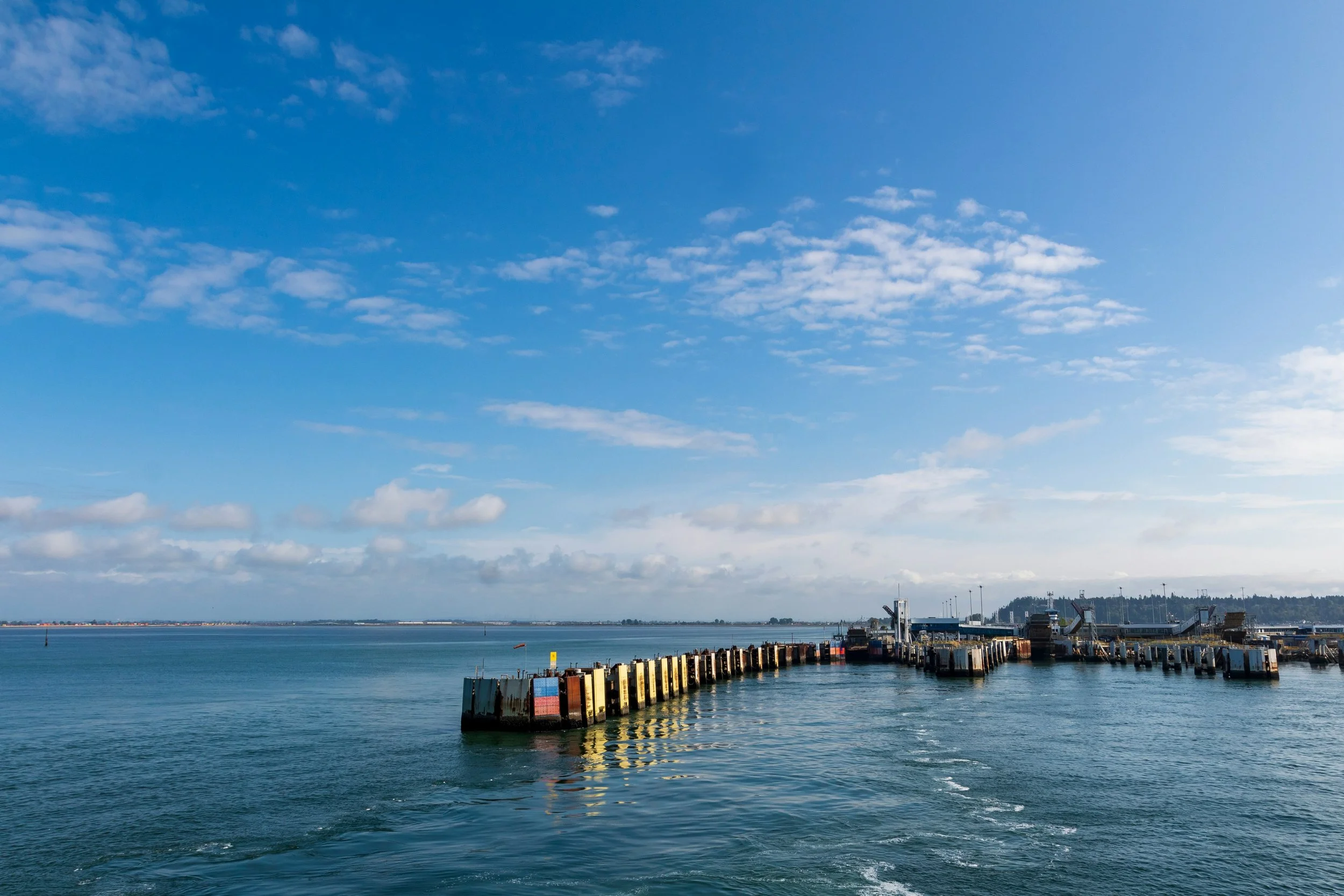
Regional Modeling as a Tool to Support Community Dialogue
[C]Worthy scientists partnered with American University to host a workshop series in the Salish Sea Basin, bringing coastal community members into conversation about marine carbon dioxide removal using regionally-tailored ocean models and deployment simulations.
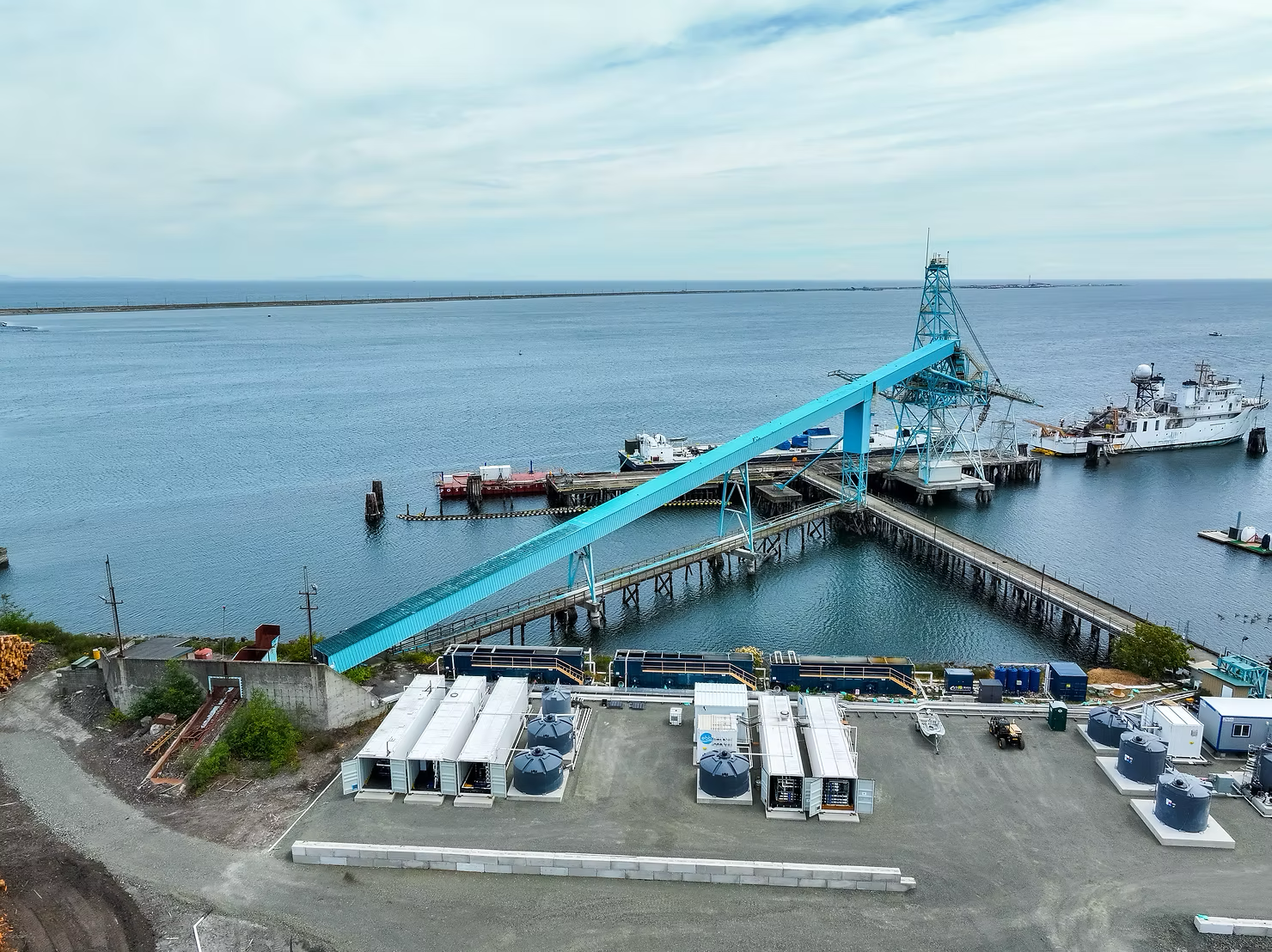
Year in Review: 2025 Marine Carbon Dioxide Removal Milestones
A look back at the major milestones that defined mCDR in 2025—from first verified ocean-based carbon dioxide removal credits to new permits, protocols, and growing policy momentum.
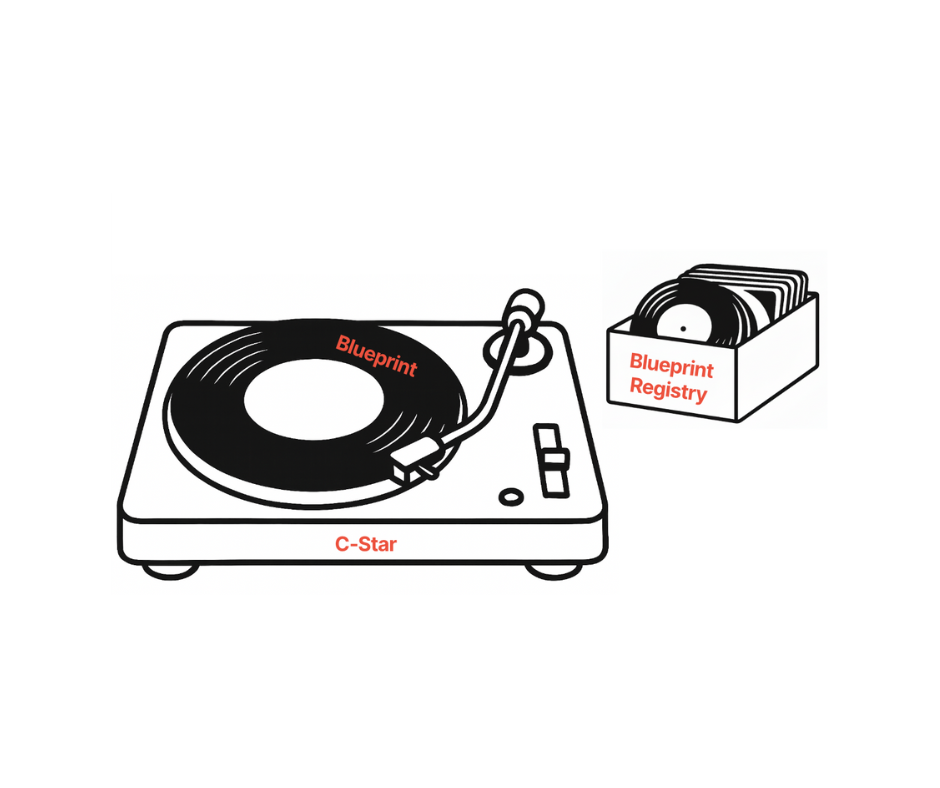
Building the Integrity Infrastructure for mCDR Modeling
To build trust in mCDR, the calculations that underpin carbon crediting need to be transparent and reproducible. This piece introduces the C-Star Blueprint: a new tool that makes ocean models auditable.
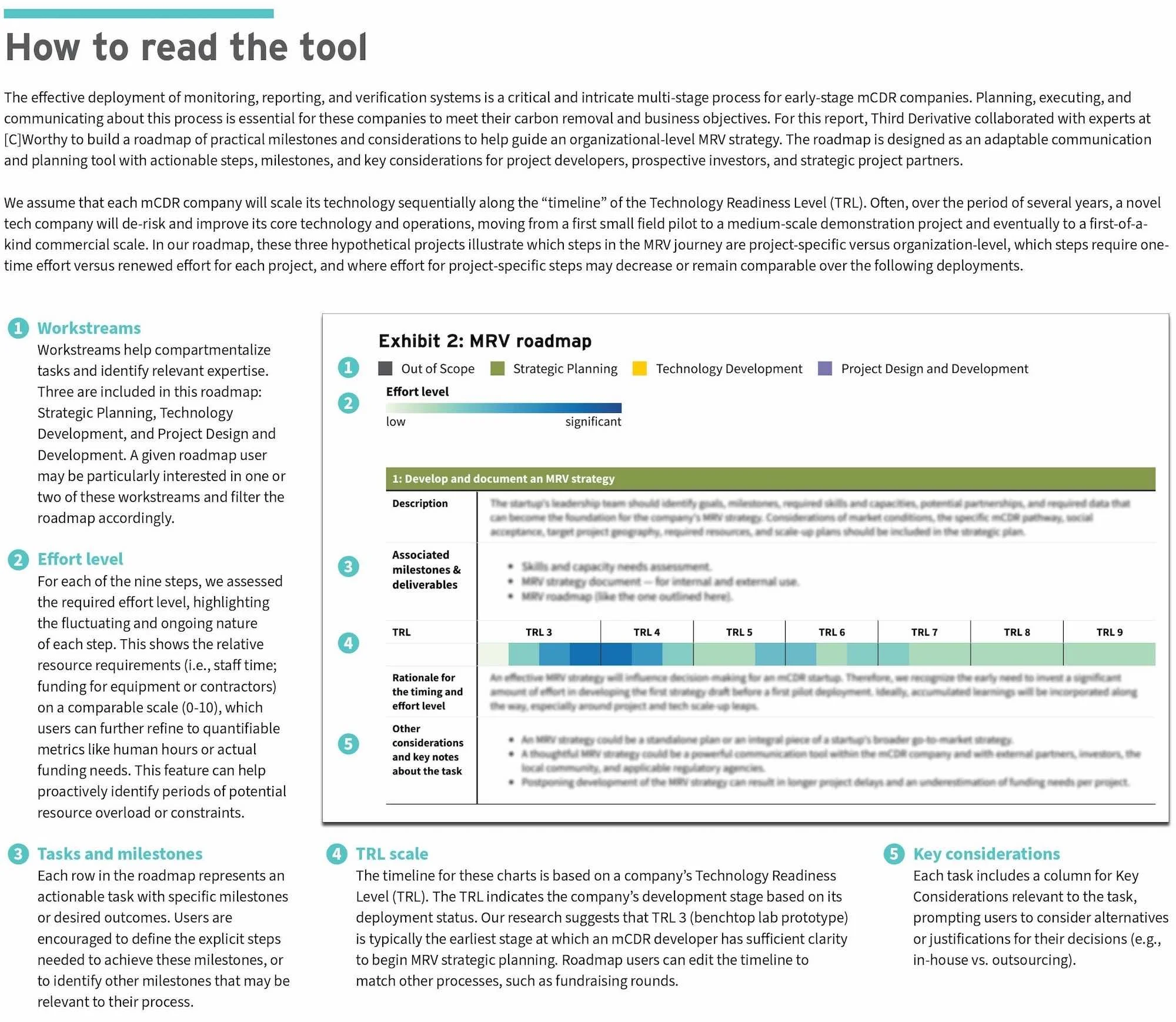
Charting a Course: Strategic Planning for mCDR MRV
[C]Worthy and Third Derivative have released a practical roadmap for developing credible monitoring, reporting, and verification (MRV) systems in marine carbon removal. It outlines key stages, milestones, and considerations to help accelerate learning, reduce duplication, and guide informed investment.
Quantifying the Efficacy of mCDR with C-Star
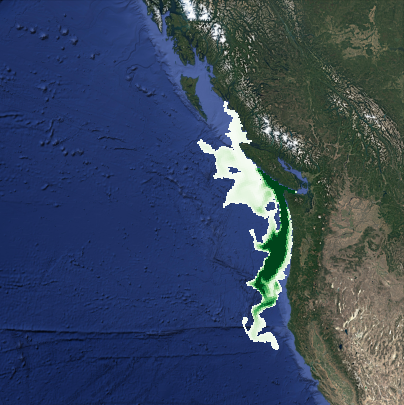
[C]Worthy is building the scientific and technical foundation for credible marine carbon dioxide removal (mCDR), starting with C-Star, a software platform that uses regional ocean models to quantify how much atmospheric CO₂ is removed during an mCDR deployment. This post explores a model simulation of a hypothetical Ocean Alkalinity Enhancement (OAE) deployment, including the spread of added alkalinity and resulting reduction in atmospheric CO2.