![[C]Worthy](http://images.squarespace-cdn.com/content/v1/66b3f00a872f892fc1c3299b/02f683d5-3e94-4cc3-90e5-cc909ba570a6/01-CWorthy-Wordmark-Red-RGB.png?format=1500w)
Learn with us
Read our published research, explore our blog and videos, and keep an eye on our events—for researchers building on what we make, project developers using it, and anyone interested in the development of ocean carbon removal.
CHANNELS
Explore our work
We share our research and translate what we are learning on the cutting edge of science.
Research
Peer-reviewed publications, technical reports, and methodologies.
RECENT PUBLICATIONS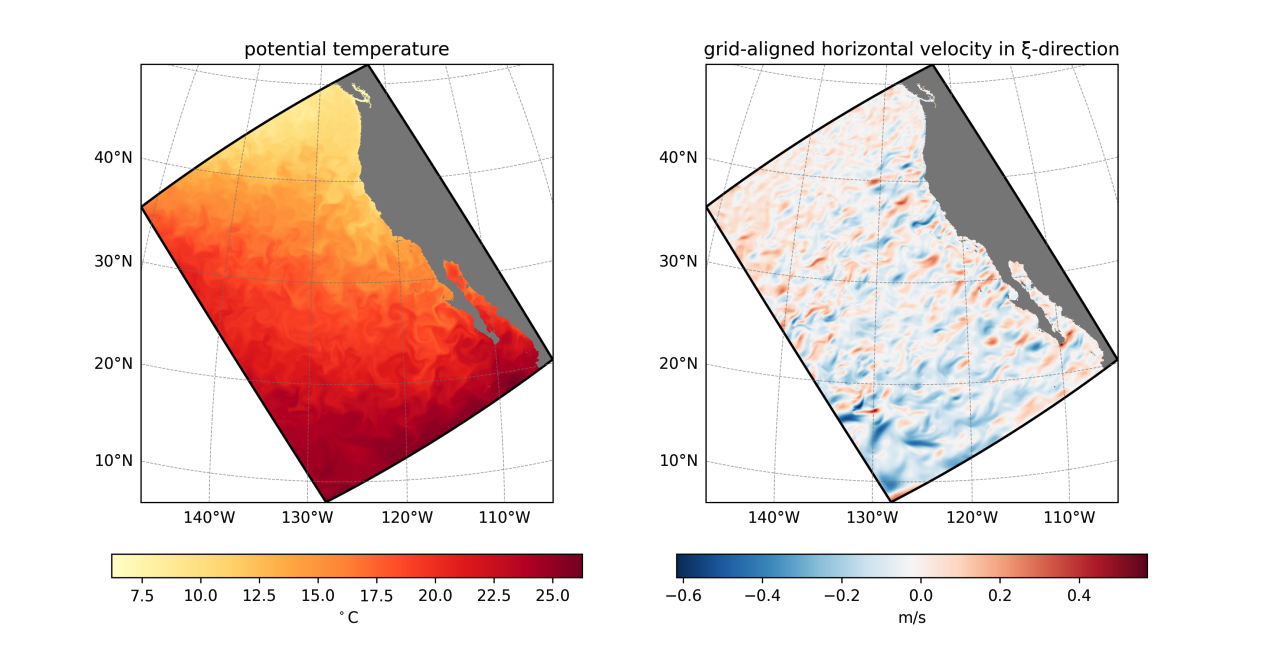
This paper introduces ROMS-Tools, an open-source Python package that streamlines the setup, preprocessing, and analysis of regional ocean model (ROMS-MARBL) simulations by automating grid generation, forcing-file creation, and output analysis. Adopted by researchers across ocean modeling and marine carbon dioxide removal communities, including [C]Worthy, Carbon to Sea, and Ebb Carbon, ROMS-Tools lowers technical barriers and improves the reproducibility of regional ocean modeling workflows.
Loose, N., Nicholas, T., Maticka, S., Eilerman, S., McBride, C., Stephenson, D., Heede, U., Saenz, B., Thyng, K. M., Bachman, S., Damien, P., Karspeck, A., Long, M. C., Molemaker, M. J., and Wyatt, A.
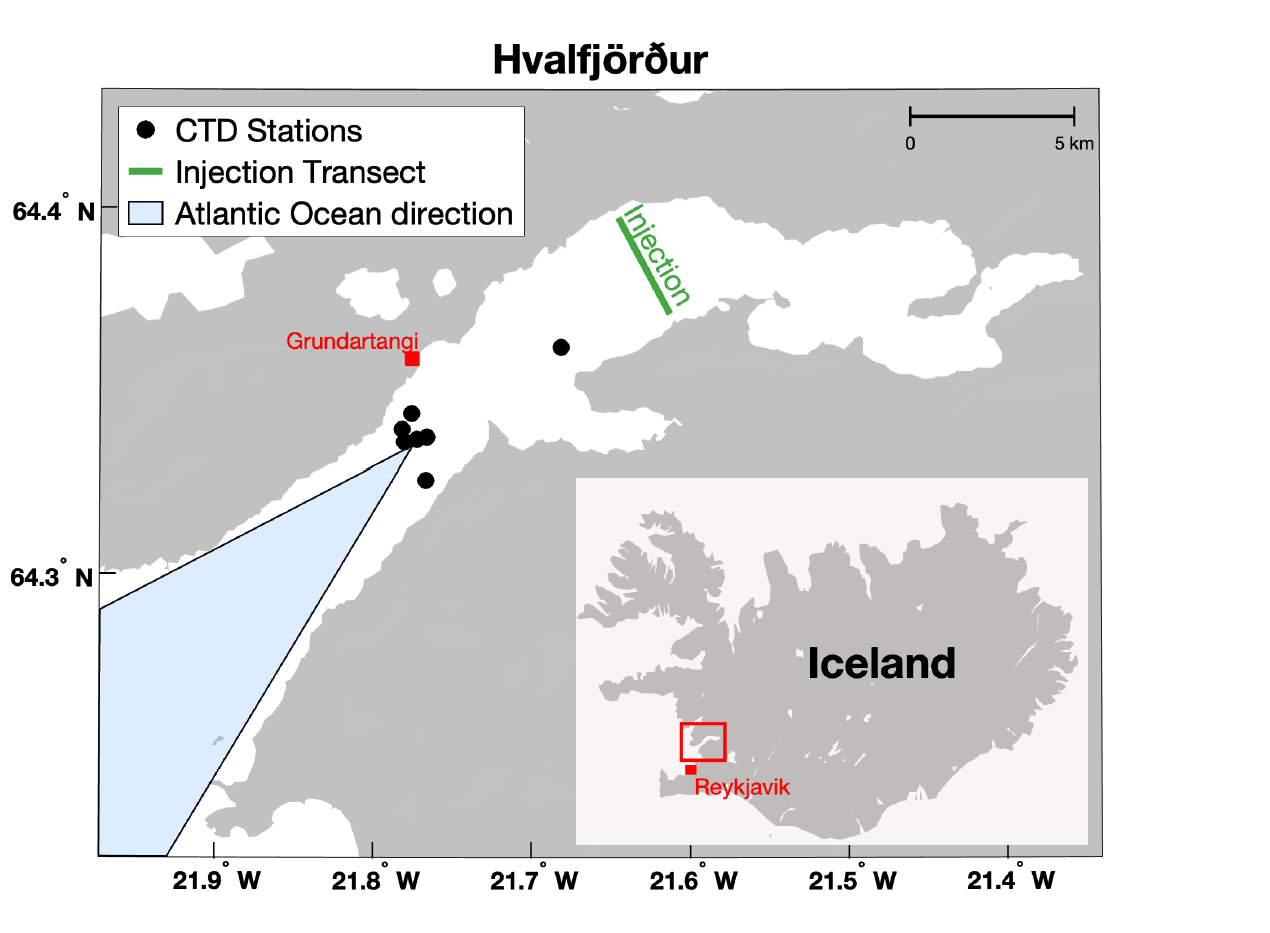
Using a helium-3/sulfur hexafluoride dual-tracer release in Hvalfjörður, Iceland, this study shows that gas transfer velocities within a fjord are lower than open-ocean rates at comparable wind speeds, but that the fjord's short, four-day water residence time limits the practical impact of this difference on overall CO2 uptake in this location. The results caution that in coastal settings with longer residence times or faster subduction of surface water, assuming open-ocean gas exchange rates could substantially overestimate the carbon dioxide removal potential of marine CDR projects.
Gerke, L., Ho, D. T., Heede, U. K., and Koffman, T.
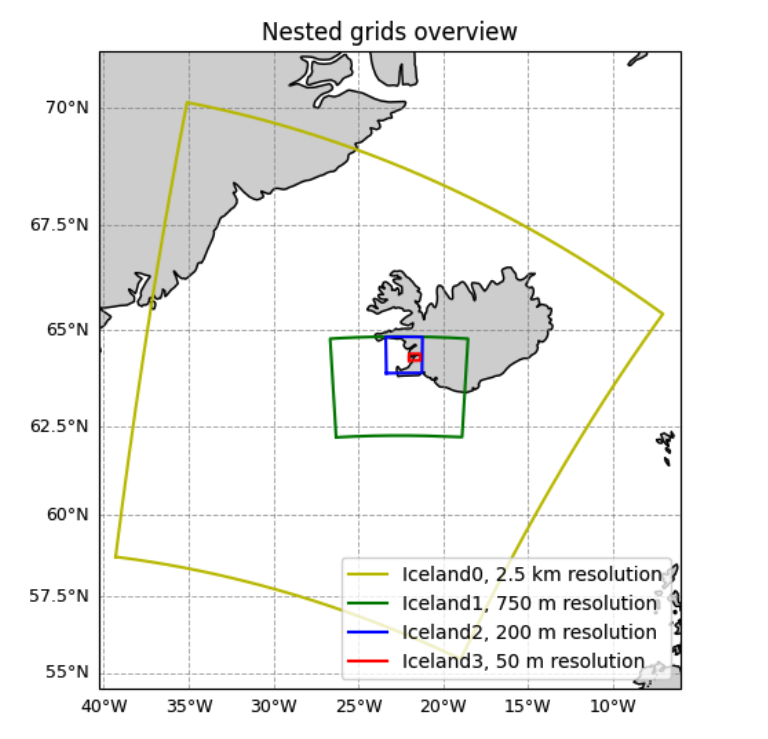
This study uses a nested, high-resolution ROMS-MARBL ocean model (C-Star) to simulate ocean alkalinity enhancement releases in Hvalfjörður, an Icelandic fjord, and validates the model against a 2024 field campaign that included a dual-tracer release experiment. The model captures the fjord's circulation, tracer dispersal, and seasonal stratification well, and the simulated OAE releases show that wind and tidal conditions are the primary controls on signal detectability and CO2 uptake efficiency, supporting the use of C-Star for planning future OAE field trials in fjord and estuary settings.
Heede, U. K., Long, M. C., Karspeck, A., Bachman, S., Loose, N., Stephenson, D., Ho, D. T., Gerke, L., Koffman, T., Benoit-Cattin, A., Harðardóttir, S., and Macrander, A.
Blog
Perspectives and updates from our staff.
→ View all
LATEST POSTS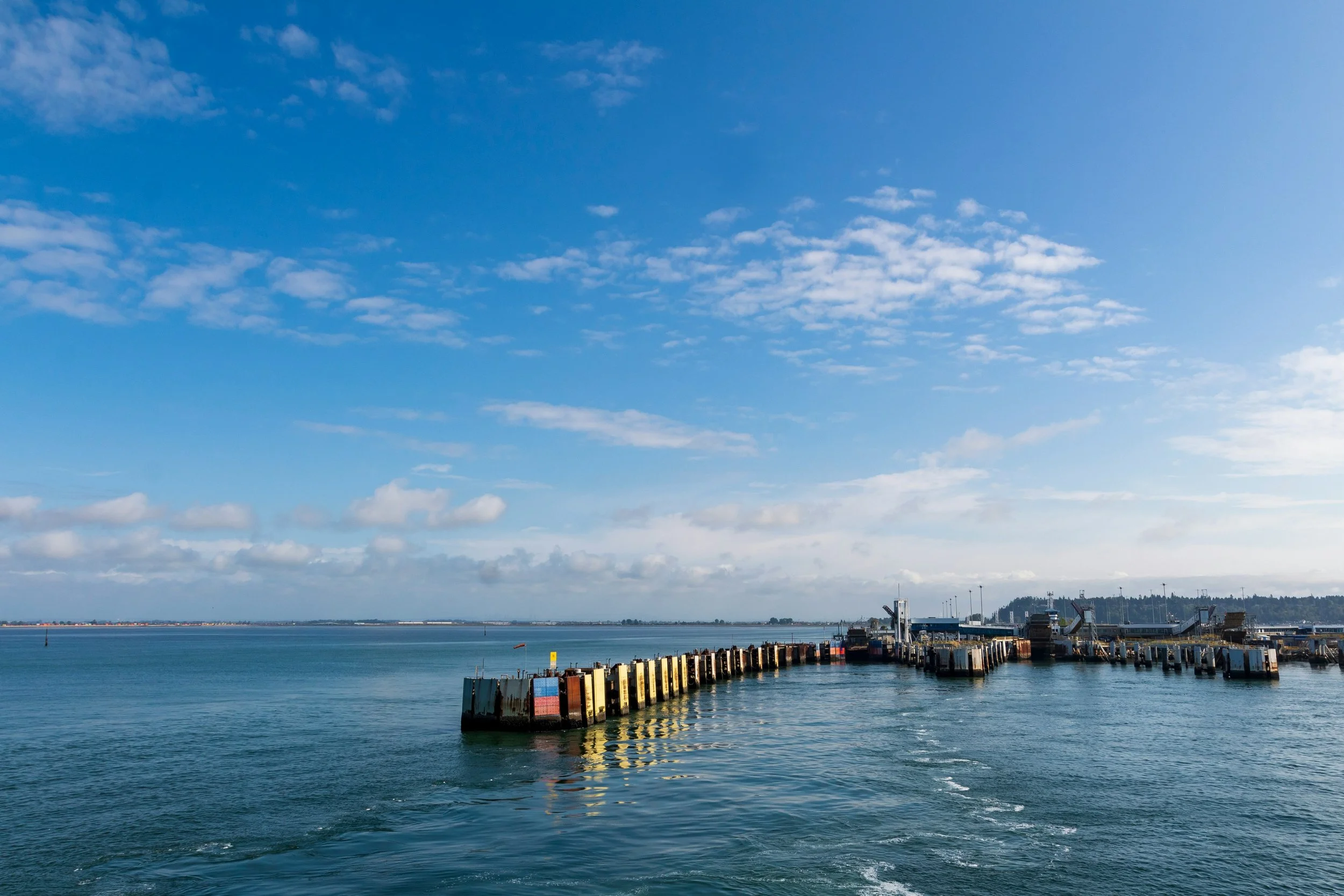
[C]Worthy scientists partnered with American University to host a workshop series in the Salish Sea Basin, bringing coastal community members into conversation about marine carbon dioxide removal using regionally-tailored ocean models and deployment simulations.
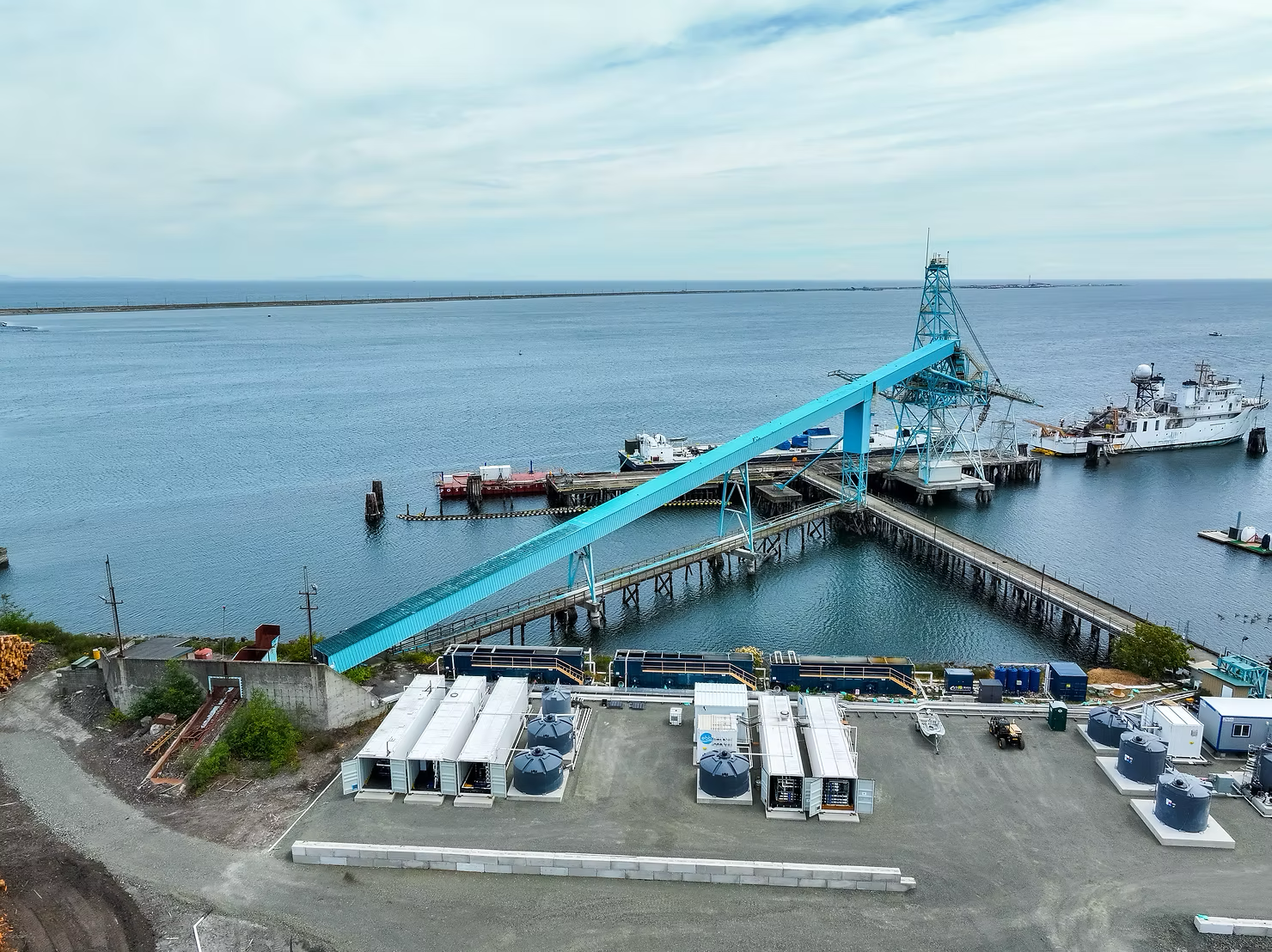
A look back at the major milestones that defined mCDR in 2025—from first verified ocean-based carbon dioxide removal credits to new permits, protocols, and growing policy momentum.
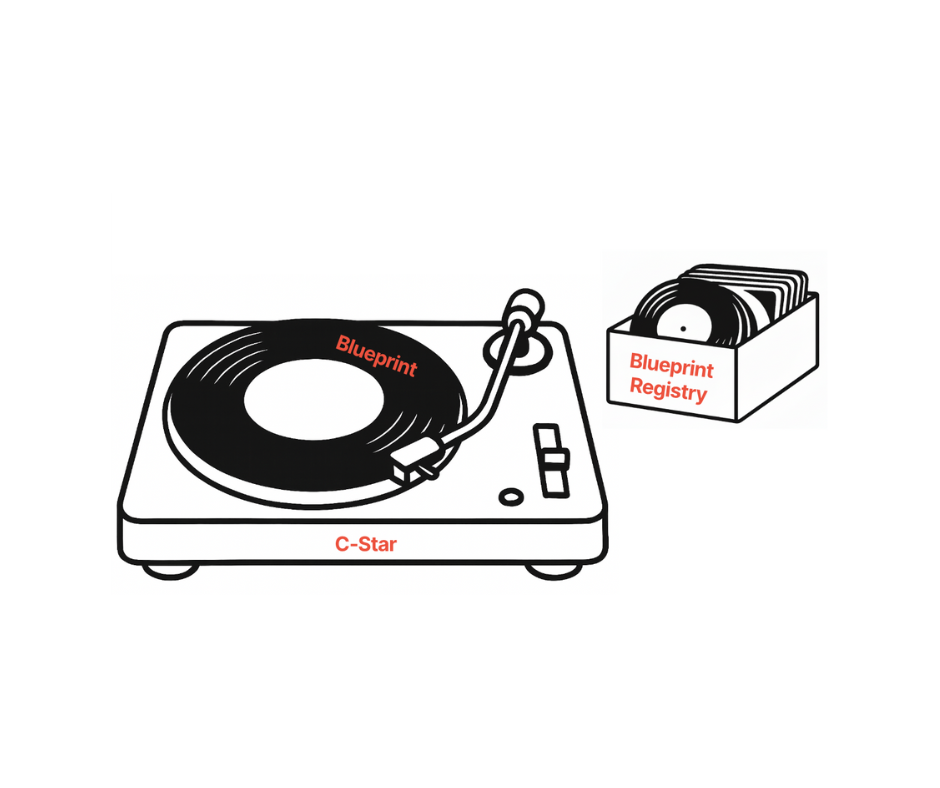
To build trust in mCDR, the calculations that underpin carbon crediting need to be transparent and reproducible. This piece introduces the C-Star Blueprint: a new tool that makes ocean models auditable.
Events
Hosted workshops, conferences, and partnered convenings.
PAST & UPCOMING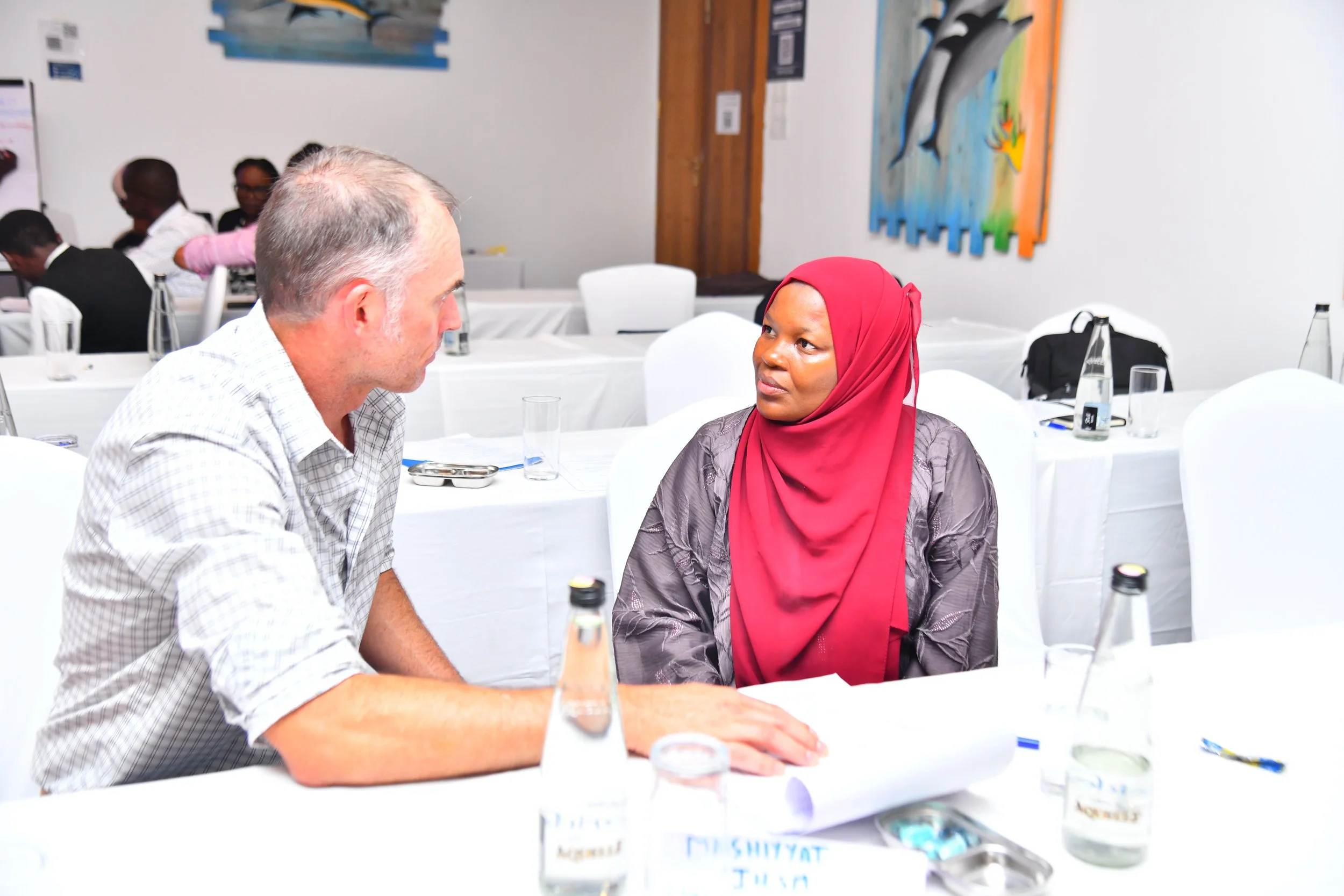
Held immediately after the WIOMA Scientific Symposium in Mombasa, Kenya—this workshop gathered a broad range of participants to discuss mCDR in Africa.
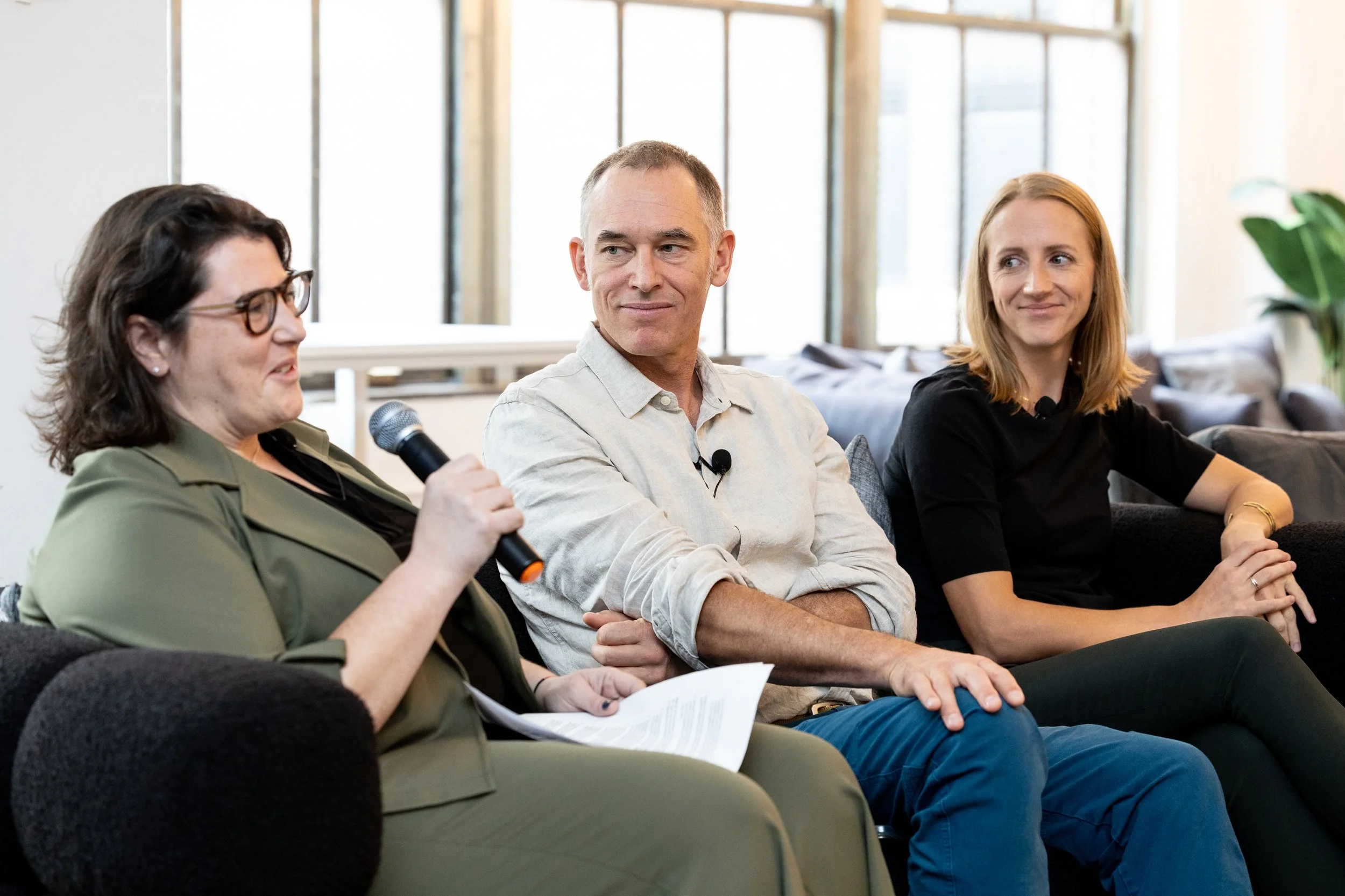
During NYC Climate Week, we held a conversation focused on clarifying common misconceptions about marine carbon dioxide removal (mCDR) and highlighted recent progress in this space.
Videos
Recorded talks, software demos, and explainers.
FEATURED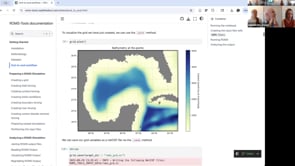
Our latest technical demo highlights ROMS-Tools, a Python package that provides user-friendly tools to design new regional grids for ROMS-MARBL and streamlines the creation of the input files necessary to run a UCLA ROMS simulation.
Configuring a regional ocean model is a major technical challenge: generating the required input files is time-consuming, error-prone, and difficult to reproduce, creating a bottleneck for both new and experienced model users.
The ROMS-Tools Python package addresses these challenges by providing user-friendly tools to design new regional grids, streamlining the creation of the input files necessary to run either a fully-coupled physical and biogeochemical model of the ocean—such as with our ROMS-MARBL integration—or a UCLA ROMS simulation without MARBL biogeochemistry.
In order to run properly, ROMS requires a number of bespoke input files to be generated before simulations can even be run, including the model grid, initial conditions, surface and boundary forcing, and other forcing inputs including tides, rivers, and CDR interventions. ROMS-Tools can automatically process commonly used datasets or incorporate custom user data and routines to generate these inputs.
In this presentation, Nora Loose, PhD, [C]Worthy Staff Scientist for Ocean Modeling and AI as well as the lead developer of ROMS-Tools, leads a deep dive not only into its ROMS input file generation capabilities, but also some included utilities for postprocessing and analysis, particularly for carbon dioxide removal (CDR) monitoring, reporting, and verification (MRV).
Explore ROMS-Tools: https://roms-tools.readthedocs.io/en/latest/

Matthew Long delivered a seminar at the National Center for Atmospheric Research (NCAR) introducing [C]Worthy’s work to build open-source ocean modeling tools that can reliably quantify the impacts of ocean-based carbon removal. His talk highlights why advanced, transparent modeling is essential for robust and responsible climate solutions.
Our CEO, Matt Long, delivered a seminar at the National Center for Atmospheric Research (NCAR) on the future of ocean-based carbon dioxide removal (CDR) and the scientific infrastructure required to ensure it can scale responsibly.
In the talk, Matt outlines a core challenge facing the field: while the ocean offers significant potential for carbon removal, it is also an extraordinarily complex system. Quantifying the fate of carbon introduced through ocean-based CDR interventions requires more than direct observations alone. It requires advanced, transparent, and scientifically validated oceanographic and biogeochemical models that can serve as the backbone of Monitoring, Reporting, and Verification (MRV).
This gap in modeling-based MRV is exactly what [C]Worthy was founded to address. Matt introduces [C]Worthy’s work to develop an open-source, standardized modeling system capable of providing credible, reproducible estimates of carbon removal across diverse ocean settings. This system is designed not only to support regulators and carbon crediting frameworks, but also to give researchers, innovators, and investors the confidence needed to move promising marine CDR approaches from pilot scale to meaningful climate impact.
We’re grateful to NCAR for hosting the seminar and for the opportunity to share how [C]Worthy is helping build the scientific integrity infrastructure required for safe, effective, and transparent ocean-based carbon removal.
Our first explainer video breaking down the essential chemistry behind ocean-based carbon dioxide removal (CDR) methods, part of a broader effort to support informed community dialogue around marine CDR.
We’re excited to share a short explainer video on Ocean Alkalinity Enhancement (OAE) and Direct Ocean Capture (DOC). Our aim with this video was to introduce lay audiences to a few essential concepts in ocean chemistry to help build a baseline level of fluency around marine carbon dioxide removal (mCDR) approaches.
These topics are complex, and no single video can cover everything. Instead, we set out to create a scientifically accurate starting point. We wanted something accessible enough to invite people into the conversation, while still grounded in the core chemistry that underpins OAE and DOC. To produce the video, we partnered with Real World Visuals, a UK-based production company with experience in climate and emissions-mitigation storytelling, but new to the nuances of ocean chemistry and mCDR.
This project was developed in close collaboration with a team led by Dr. Sara Nawaz at the American University Institute for Carbon Removal Law and Policy. Our work together is part of an effort—funded by the Alfred P. Sloan Foundation—to introduce communities to ocean-based CDR through a series of workshops. We are using locally-relevant scientific and policy narratives to ground the discussion and to surface how communities think about ocean-based CDR. We’re looking for what resonates, what creates uncertainty, and what matters most for their local context.
The explainer video is one of several assets developed through this collaboration. Alongside it, [C]Worthy is also running high-resolution ocean models to simulate the potential impacts of scaled mCDR deployments along the Pacific Northwest coast of the United States. Together, these materials aim to support informed public dialogue around emerging mCDR approaches.
This was our first attempt at producing an explainer video on these topics, and it proved more challenging than we expected. As scientists, we often had to actively work against some of our own training—setting aside formal terminology and habits of precision in favor of language that was clearer and more accessible. The American University team—social scientists with deep experience in community engagement—played an essential role in spotting concepts that could be misinterpreted or that needed more framing.
We also gained a new appreciation for how difficult it is to create animations that are both visually legible and scientifically accurate. Many things we take for granted in our daily work—basic behaviors of seawater, carbon chemistry, or physical processes—are surprisingly hard to convey with simple visuals. Learning how to tell that story in pictures was humbling, rewarding, and still a work in progress.
We’re sharing this version of the video in that same spirit of learning and iteration. We see it as both a resource for the community and an opportunity to gather feedback that will help us improve the clarity and utility of future explainers.
Thank you for taking the time to engage with this work. We’d love your feedback on how we can improve the clarity and accuracy of communications like this in the future. Fill out this short survey with your thoughts.