![[C]Worthy](http://images.squarespace-cdn.com/content/v1/66b3f00a872f892fc1c3299b/02f683d5-3e94-4cc3-90e5-cc909ba570a6/01-CWorthy-Wordmark-Red-RGB.png?format=1500w)
LEARN
A collection of announcements and media coverage that feature our work: both updates we’ve shared and places our efforts have been highlighted in the broader climate and science community.
News
Atmospheric instrument hitches ride on Antarctic planes
SCARGO is funded by the NSF Office of Polar Programs. The research is led by NSF NCAR in collaboration with NOAA, the Cooperative Institute for Research In Environmental Sciences (CIRES), [C]Worthy, and Earth Sciences New Zealand. The flights are operated by the New York Air National Guard in support of the U.S. Antarctic Program.

New Marine Carbon Dioxide Removal Coalition Unites Sector Leaders On Responsible Industry Advancement
Today marks the establishment of a new marine carbon dioxide removal (mCDR) coalition that brings together a roster of industry leaders who will work on advancing this promising decarbonization field in a responsible and high-integrity manner.

Is It Too Soon for Ocean-Based Carbon Credits?
Matt Long, CEO and co-founder of [C]Worthy, told me that he thinks it’s both appropriate and important to start issuing credits for ocean alkalinity enhancement — while also acknowledging that “we have robust reason to believe that we can do a lot better” when it comes to assessing these removals.

Former MIT researchers advance a new model for innovation
“Early progress from the first focused research organizations has strengthened Marblestone’s conviction that they’re filling a gap.
[C]Worthy is the FRO building tools to ensure safe, ocean-based carbon dioxide removal. It recently released an interactive map of alkaline activity to improve our understanding of one method for sequestering carbon known as ocean alkalinity enhancement.”

The deep carbon sink
‘"Large volume for contact is one of the reasons why the ocean presents scalable approaches to carbon dioxide removal," says Matthew Long, an Adjunct Scientist at the Woods Hole Oceanographic Institution (WHOI) in the U.S. Long is the Co-founder and CEO of [C]Worthy, a non-profit that researches marine CDR solutions.’
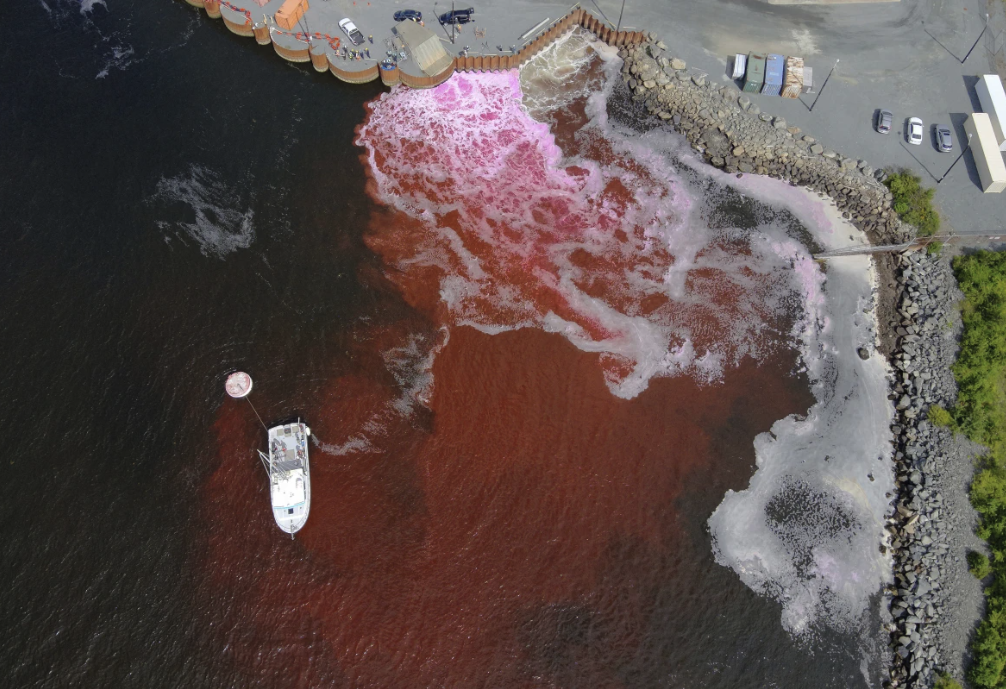
Ocean dumping – or a climate solution? A growing industry bets on the ocean to capture carbon
“Even if these solutions do work long term, most companies are operating on too small of a scale to influence the climate. Expanding to meet current climate goals will take massive amounts of resources, energy and money.”
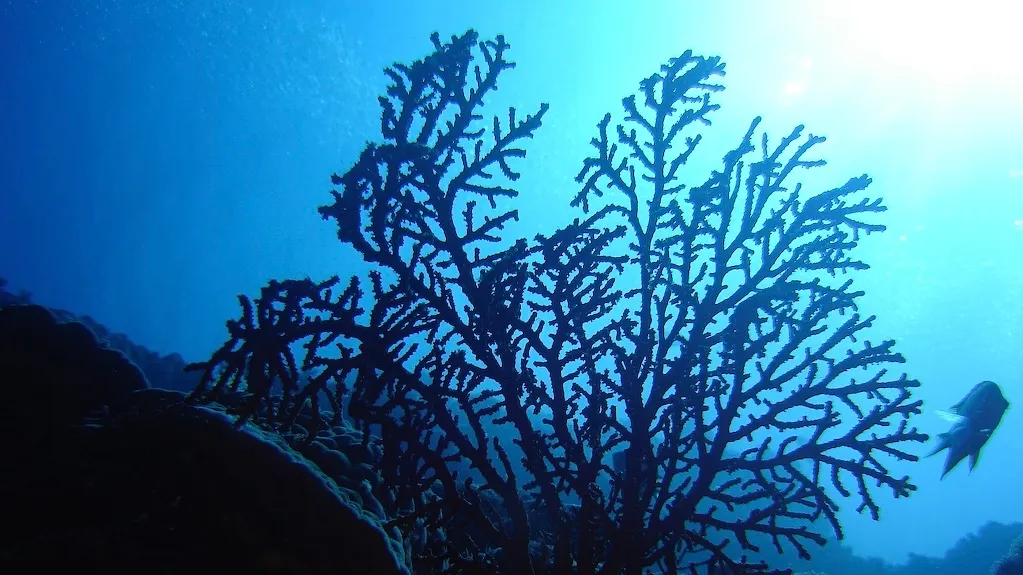
Scientists are trying to figure out how to help the ocean absorb even more climate-changing pollution
[C]Worthy cofounder and CTO Alicia Karspeck is interviewed by Yale Climate Connections: “It’s actually a natural process that happens already on very long geologic timescales, and it’s a matter of just accelerating that natural process.”

Four Potential Climate Solutions — and Their Viability
“This is pretty hard, right?,” University of Hawaii Oceanography Professor David Ho tells Sentient. “If we’re talking about carbon dioxide removal, basically, you’re talking about the largest thing that humanity has ever done.”

What will a second Trump term mean for cleantech and climate mitigation markets?
‘[Karspeck] said building trust is fundamental to effective markets, “even more the case when you don’t have the government actually creating or mandating that.”’

Rainfall Makes the Ocean a Greater Carbon Sink
“It may be surprising that it should take so long to quantify this process, but partly it’s because this is a hard problem to examine,” Ho said.
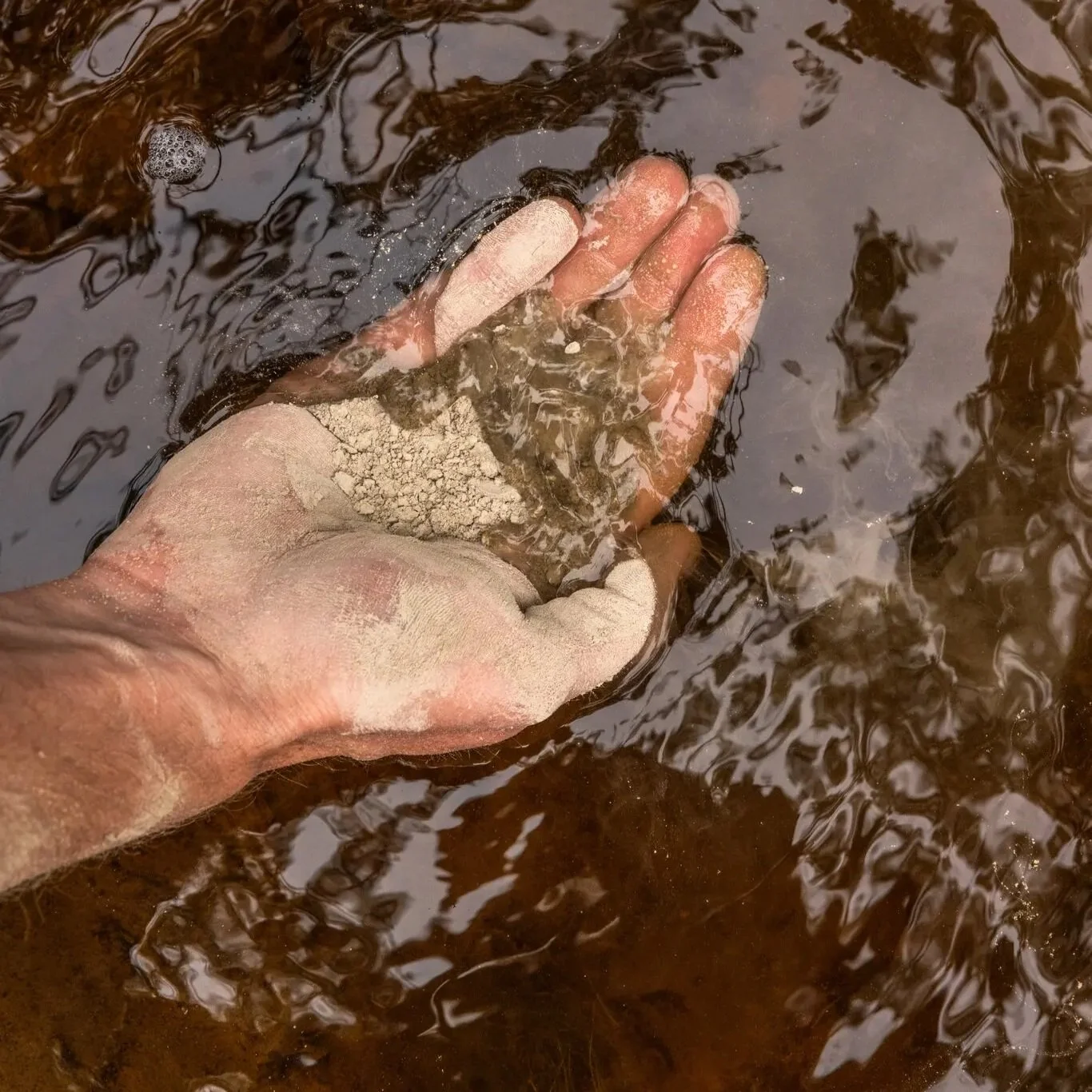
NYT: They’ve Got a Plan to Fight Global Warming. It Could Alter the Oceans.
‘“It has to go from something that most people have never heard of to the largest industry the world has ever seen, in a really short time,” said David Ho, an ocean scientist at the University of Hawaii at Manoa.’
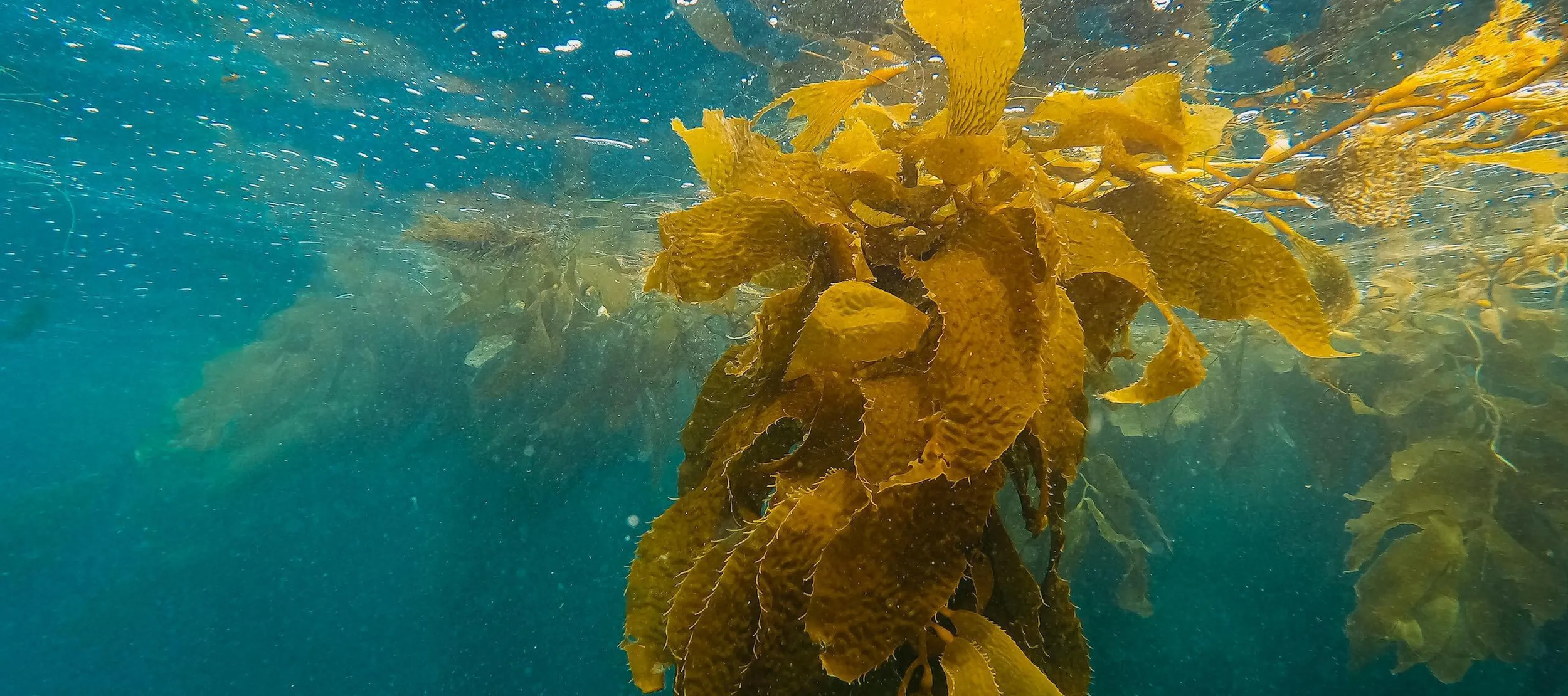
Under the sea — Running Tide’s ill-fated adventure in ocean carbon removal
“I think carbon removal is a tool for the future,” David Ho, a climate scientist and cofounder of the nonprofit [C]Worthy, told us. “Now is the time we figure out what works and what doesn’t work. It’s almost an obligation to future generations to give them tools to remove the CO₂ that we’re leaving them and let them decide whether to deploy these tools or not — it’s not for today.”

Vox: Oil companies sold the public on a fake climate solution — and swindled taxpayers out of billions
“It doesn’t make sense to use CCS to prolong our use of fossil fuels, especially to produce electricity,” said David Ho, professor at University of Hawaii and senior researcher at Columbia University. “The argument in favor of enhanced oil recovery is often that if they weren’t using this captured CO2, they’d be using some other CO2, but I don’t think you can call anything where you’re getting more oil out of the ground to burn a climate solution.”

A Dose of Antacids, a Quaint British Bay, and a Public Relations Fiasco
“People hear chemistry and they don’t like that,” says David Ho, a geochemist and professor of oceanography at the University of Hawaiʻi at Mānoa.
As Temperatures Rise, So Does Pressure to Engineer the Ocean
“The verification step has to be non-profit, and it has to be separate from your money-making scheme,” says Ho, who co-founded [C]Worthy, a nonprofit that makes open-source software to quantify the efficacy and side effects of marine carbon removal. “As ocean biogeochemists, if we have the inclination and we have the skills, then it behooves us to work on it.”