![[C]Worthy](http://images.squarespace-cdn.com/content/v1/66b3f00a872f892fc1c3299b/02f683d5-3e94-4cc3-90e5-cc909ba570a6/01-CWorthy-Wordmark-Red-RGB.png?format=1500w)
Media
Interviews, Articles, Webinars, and more

Worth: Tom Kalil’s Renaissance Philanthropy Recruits Wealthy Science Funders
“These projects are also challenging to do in an academic setting because they require a larger group of people than you have in a single academic lab…So, what they proposed was to create non-profit science startups.”

Effectiveness of mCDR: Measurement, reporting, and verification of ocean alkalinity enhancement.
Experts discuss the importance of rigorous MRV, entities potentially responsible for funding and conducting MRV, existing ocean observing infrastructure and modeling capabilities, and implementation readiness.

Will stashing more CO2 in the ocean help slow climate change?
‘CDR can be thought of like “a time machine,” David Ho, an oceanographer at the University of Hawaii at Manoa, wrote last year in Nature. Stripping some of the CO2 out of the atmosphere would be like returning to an earlier time with lower concentrations.

Oceanography Professors Transform a Research Tool into a Startup That’s Sucking CO2 from Seawater
"As the world hurtles toward dangerously warmer temperatures, international experts advise that carbon removal will be essential to avoiding the worst climate outcomes.”

A Growing Problem: Is It Too Late To Plant Trees for Climate Change?
[C]Worthy Chief Science Officer David Ho is interviewed by The Weather Network to answer questions about mCDR, carbon emissions reduction, and planting trees.

Ocean-Climate Solutions Innovation Exchange | MRV for Ocean-Based CDR: Modeling and Observations
The third webinar in a series focused on current innovations in Monitoring, Reporting, and Verification (MRV) for marine carbon dioxide removal (mCDR).

CBC: How effective a climate solution is removing CO2 from the atmosphere?
“It doesn’t make sense to use CCS to prolong our use of fossil fuels, especially to produce electricity,” said David Ho, professor at University of Hawaii and senior researcher at Columbia University. “The argument in favor of enhanced oil recovery is often that if they weren’t using this captured CO2, they’d be using some other CO2, but I don’t think you can call anything where you’re getting more oil out of the ground to burn a climate solution.”
![Isometric and [C]Worthy partner to advance marine carbon dioxide removal research](https://images.squarespace-cdn.com/content/v1/66b3f00a872f892fc1c3299b/1723068452008-7WOXG658FSDB558TWUIM/662a336e43d2e1892a813d67_marine-carbon-dioxide.jpg)
Isometric and [C]Worthy partner to advance marine carbon dioxide removal research
Isometric is partnering with [C]Worthy—a non-profit “Focused Research Organization” that is building C-Star (Computational Systems for Tracking Ocean Carbon).

Will carbon dioxide removal tech help or hinder climate targets?
David Ho on the promise and challenges of scaled carbon removal in this article by NewScientist.
Time Magazine: The U.S. Energy Department Is Spending $36 Million On Ocean Carbon-Capture Research
"Matt Long, a scientist at the National Center for Atmospheric Research and director of [C]Worthy, a nonprofit aiming to help build tools to measure and verify ocean carbon removal, is working on a project that received about $3.9 million in ARPA-E’s announcement today.”

Sea Change: Can we alter the chemistry of the ocean to save the climate?
Our CEO, Matt Long, talks about [C]Worthy, ocean alkalinity enhancement, and MRV on this podcast with Solve for X.
Sea Change Radio: David Ho on Carbon Offsets: Much Ado About Nothing?
"Carbon offsets are often touted as a solution to humanity’s bad habit of emitting an awful lot of CO₂. But how many of us actually know what things like carbon offsets and carbon dioxide removal are all about?”

Carbon Herald: New Research Will Assess Efficiency Of Ocean Alkalinity In Removing CO₂ From The Air
"'This project represents the first time an alkalinity release will be conducted along with the dual tracer technique and allows us the opportunity to determine the movement of CO2 between the ocean and atmosphere and track the evolution of an ocean alkalinity enhancement…”

BBC Radio 4 Inside Science: Interview with David Ho
As we emit CO₂ into the atmosphere, a significant amount - around a third - is taken in by the oceans. With growing interest in carbon removal interventions, ocean scientist Dr David T. Ho tells Gaia about undertaking an exciting experiment.
![This Is CDR Ep. 81: [C]Worthy - Safe, Effective, Verifiable Tools for Marine CDR - Dr. Matthew Long](https://images.squarespace-cdn.com/content/v1/66b3f00a872f892fc1c3299b/1723068452061-CZW9YUS0FQV3LA5FZRIS/Screenshot+2024-05-09+at+3.17.05%E2%80%AFPM.png)
This Is CDR Ep. 81: [C]Worthy - Safe, Effective, Verifiable Tools for Marine CDR - Dr. Matthew Long
This Is CDR OpenAir welcomes [C]Worthy Co-Founder and Executive Director Matthew Long to discuss the new organization's vital mission to build software that supports multi-scale oceanographic modeling and data integration for quantifying the efficacy and ecological impacts of marine CDR.
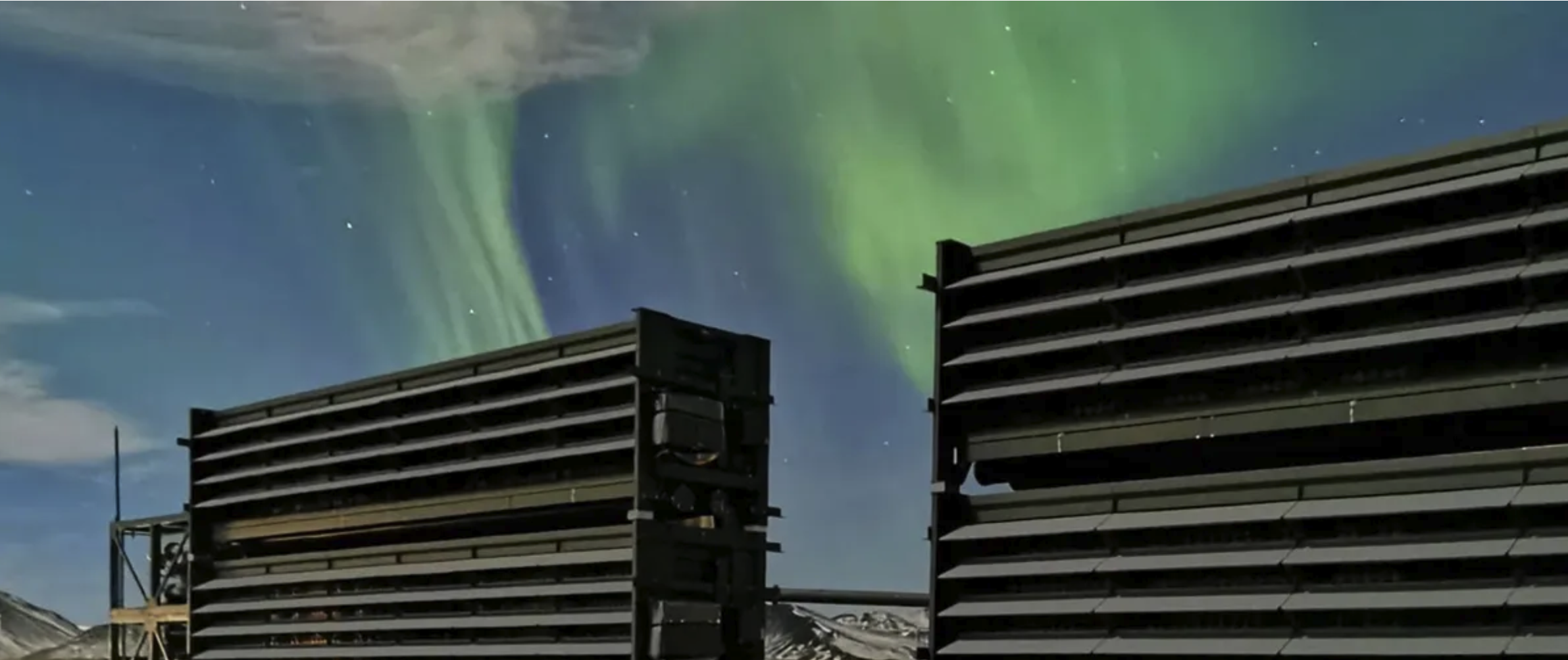
Salon: Do carbon removal strategies actually work?
‘The problem is, ocean uptake is relatively slow, compared to our rate of emission,' Long told Salon in a phone interview.

Time: The Ocean is the Next Frontier for the Carbon Removal Industry
'The requirements for ramping up carbon removal are so dramatically challenging that it’s really an all hands on deck moment for the scientific community.’
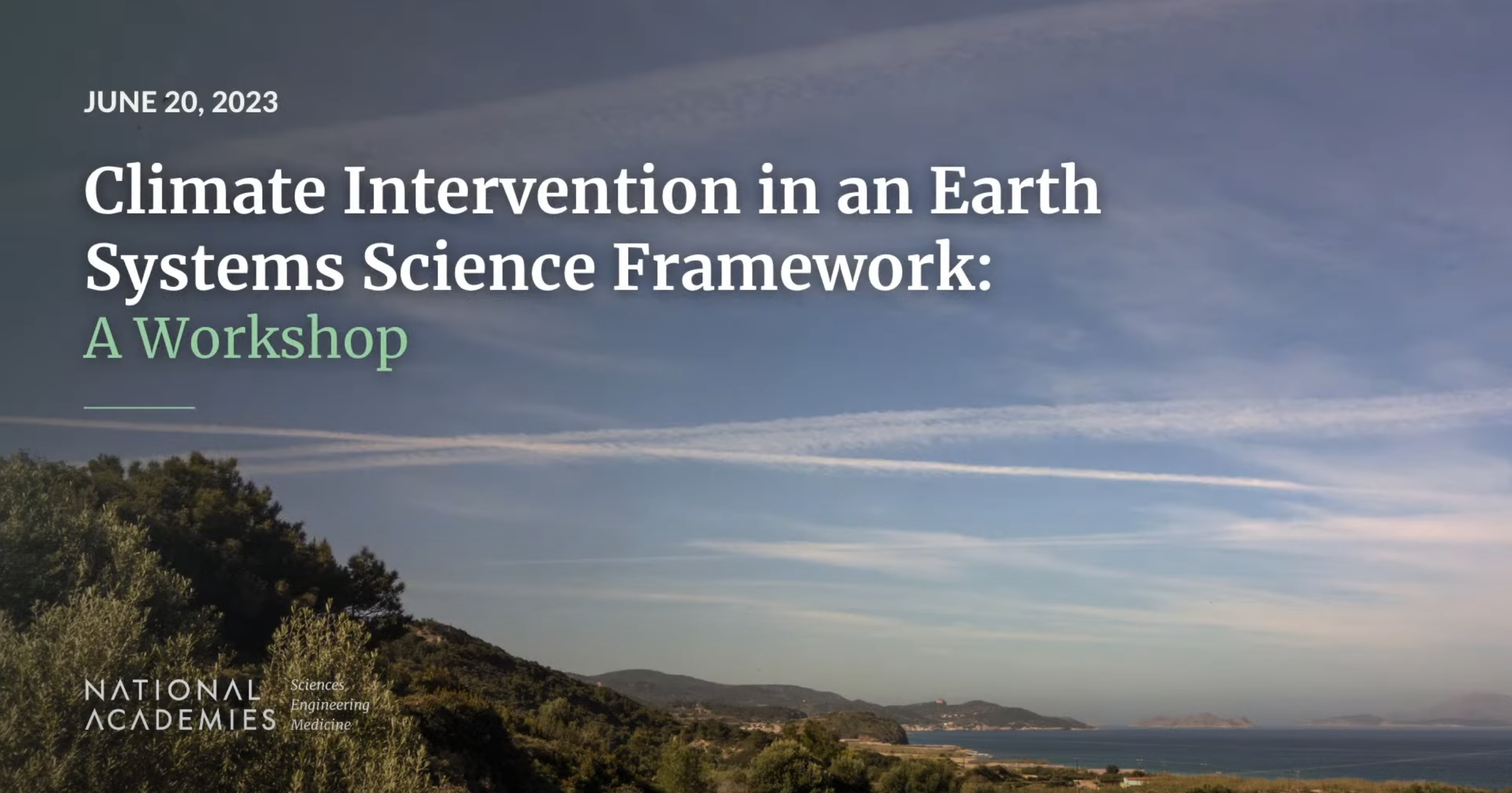
The National Academies: Climate Intervention in an Earth Systems Science Framework: A Workshop
The National Academies convened a workshop to consider the application of an Earth system science approach to research related to emerging approaches to climate intervention.
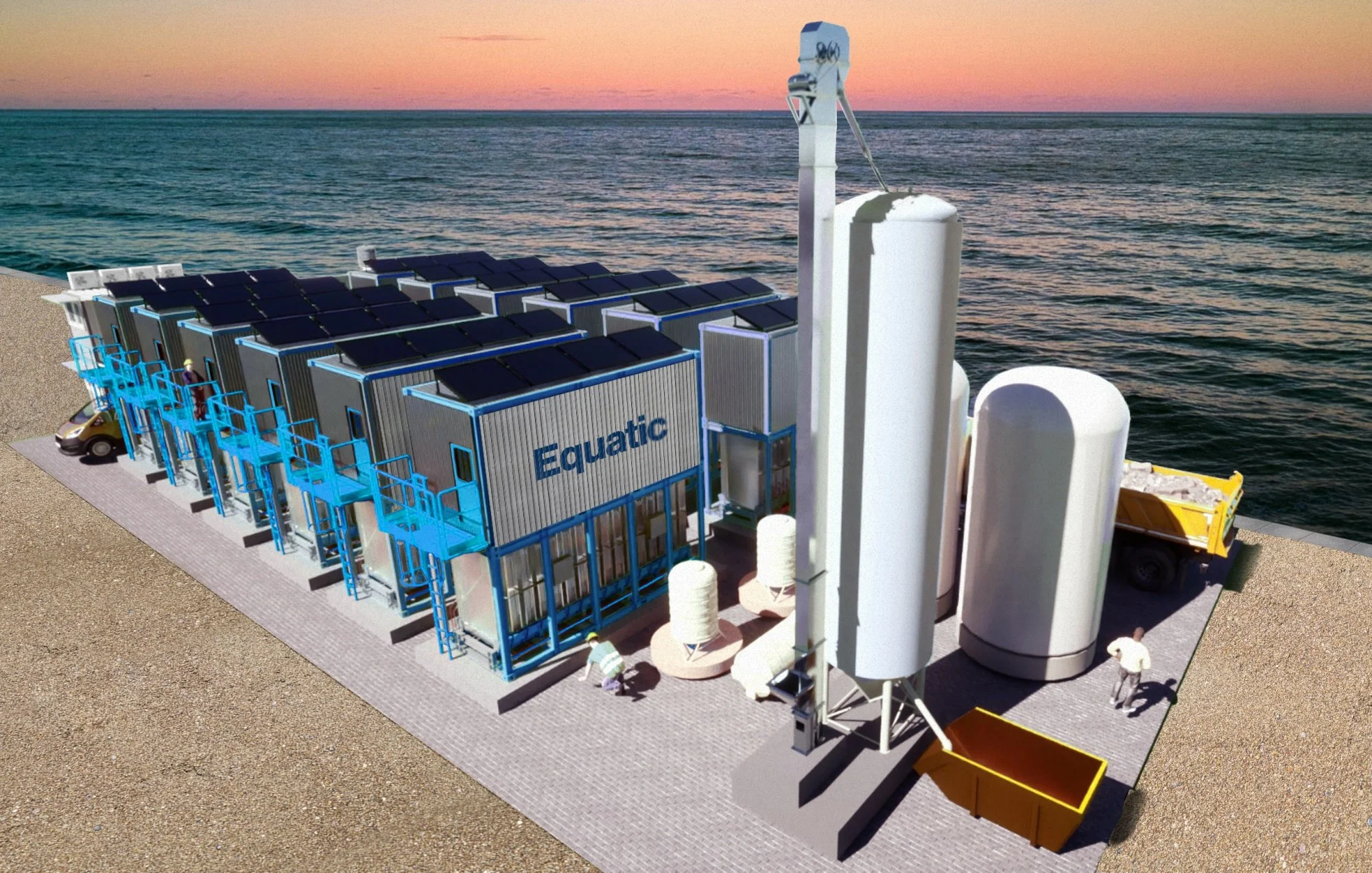
Bloomberg: How Shocking the Ocean Could Turn It Into a Carbon Removal Powerhouse
“University of Hawaii oceanographer David Ho argues that the massive ramp-up in renewable energy needed to power ocean-based CDR on the scale Equatic advocates for would be better deployed to curtail fossil fuel use.”

CTVC: The uncertain-seas of ocean CDR
“Eventually, MRV will be accomplished through tech-heavy geophysical modeling, he told us. But first, those models need to be informed by the observations from early ocean CDR testing, and the companies developing technologies that would enable better measurements need more financial support.”