![[C]Worthy](http://images.squarespace-cdn.com/content/v1/66b3f00a872f892fc1c3299b/02f683d5-3e94-4cc3-90e5-cc909ba570a6/01-CWorthy-Wordmark-Red-RGB.png?format=1500w)
Media
Interviews, Articles, Webinars, and more
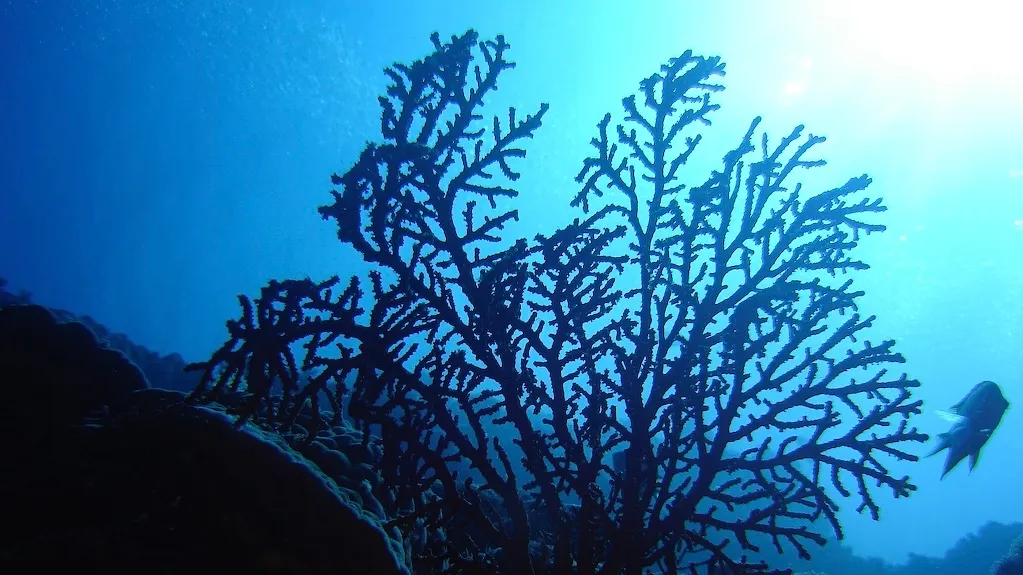
Scientists are trying to figure out how to help the ocean absorb even more climate-changing pollution
[C]Worthy cofounder and CTO Alicia Karspeck is interviewed by Yale Climate Connections: “It’s actually a natural process that happens already on very long geologic timescales, and it’s a matter of just accelerating that natural process.”

What will a second Trump term mean for cleantech and climate mitigation markets?
‘[Karspeck] said building trust is fundamental to effective markets, “even more the case when you don’t have the government actually creating or mandating that.”’

Rainfall Makes the Ocean a Greater Carbon Sink
“It may be surprising that it should take so long to quantify this process, but partly it’s because this is a hard problem to examine,” Ho said.
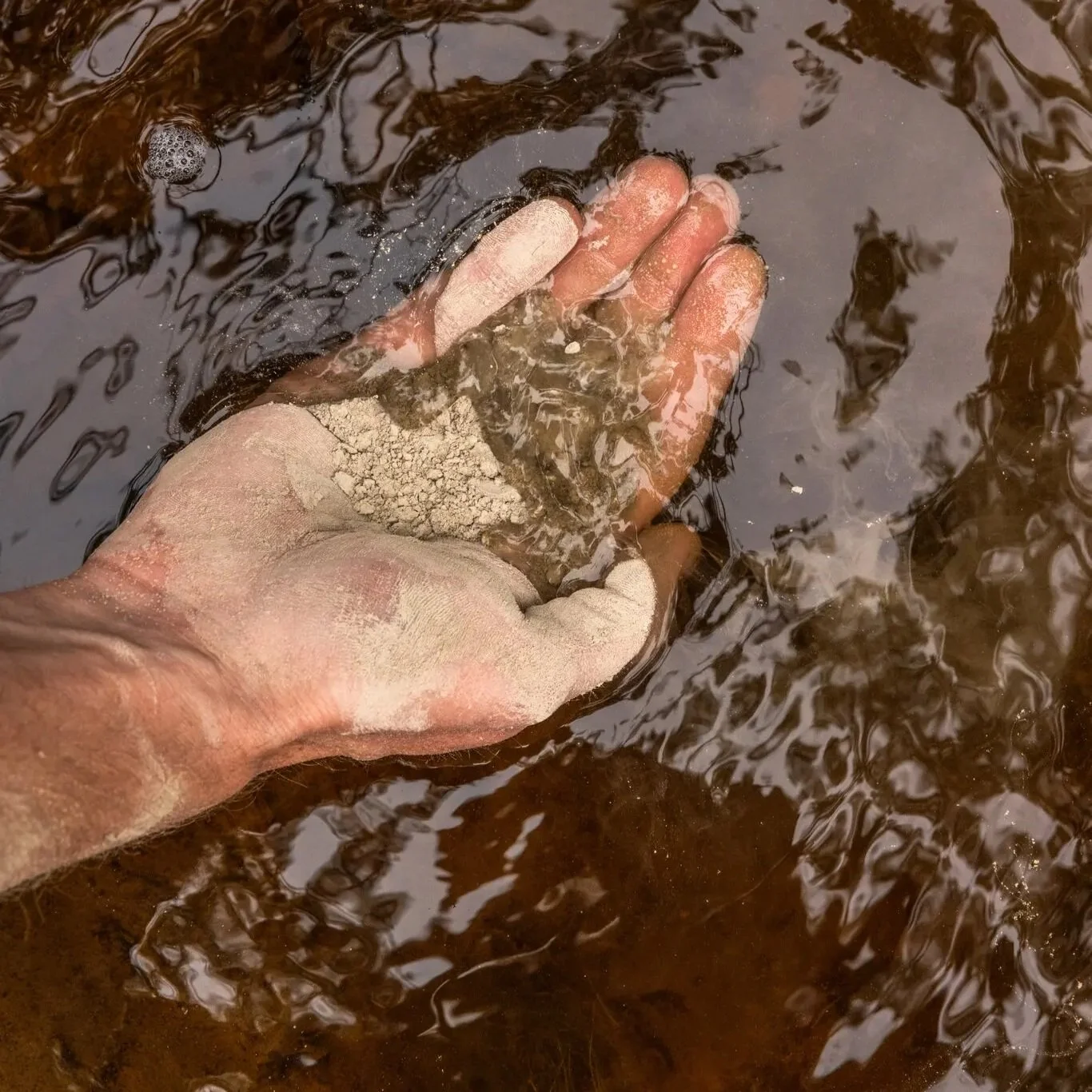
NYT: They’ve Got a Plan to Fight Global Warming. It Could Alter the Oceans.
‘“It has to go from something that most people have never heard of to the largest industry the world has ever seen, in a really short time,” said David Ho, an ocean scientist at the University of Hawaii at Manoa.’
Under the sea — Running Tide’s ill-fated adventure in ocean carbon removal
“I think carbon removal is a tool for the future,” David Ho, a climate scientist and cofounder of the nonprofit [C]Worthy, told us. “Now is the time we figure out what works and what doesn’t work. It’s almost an obligation to future generations to give them tools to remove the CO₂ that we’re leaving them and let them decide whether to deploy these tools or not — it’s not for today.”

Vox: Oil companies sold the public on a fake climate solution — and swindled taxpayers out of billions
“It doesn’t make sense to use CCS to prolong our use of fossil fuels, especially to produce electricity,” said David Ho, professor at University of Hawaii and senior researcher at Columbia University. “The argument in favor of enhanced oil recovery is often that if they weren’t using this captured CO2, they’d be using some other CO2, but I don’t think you can call anything where you’re getting more oil out of the ground to burn a climate solution.”
![Visir: Investigating possibilities for carbon disposal in Hvalfjörður [in Icelandic]](https://images.squarespace-cdn.com/content/v1/66b3f00a872f892fc1c3299b/66499c2a-ce46-4f61-bd92-97aa49653b81/Screenshot+2024-09-18+at+18.27.00.png)
Visir: Investigating possibilities for carbon disposal in Hvalfjörður [in Icelandic]
"We put a tracer, a gas, in the water which has a dual purpose. On the one hand, to examine the gas exchange between the atmosphere and the water, which affects how the sea absorbs carbon dioxide from the atmosphere. However, we want to examine the movement of the water in the fjord to prepare for an experiment that we are aiming for next year."
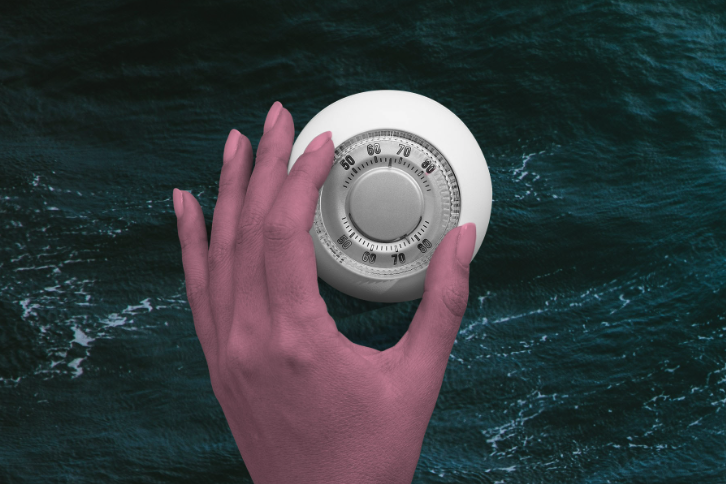
As Temperatures Rise, So Does Pressure to Engineer the Ocean
“The verification step has to be non-profit, and it has to be separate from your money-making scheme,” says Ho, who co-founded [C]Worthy, a nonprofit that makes open-source software to quantify the efficacy and side effects of marine carbon removal. “As ocean biogeochemists, if we have the inclination and we have the skills, then it behooves us to work on it.”

Alicia Karspeck and AirMiners: How to Build an MRV Ecosystem
MRV is the fulcrum of all things CDR so we're having an event centered on the growing MRV ecosystem and how everyone plays together. How does data flow, what are the needed inputs and outputs of each, where are the challenges, overlaps, and opportunities for optimization of the whole process?

Oceanography Professors Transform a Research Tool into a Startup That’s Sucking CO2 from Seawater
"As the world hurtles toward dangerously warmer temperatures, international experts advise that carbon removal will be essential to avoiding the worst climate outcomes.”
A Growing Problem: Is It Too Late To Plant Trees for Climate Change?
[C]Worthy Chief Science Officer David Ho is interviewed by The Weather Network to answer questions about mCDR, carbon emissions reduction, and planting trees.

CBC: How effective a climate solution is removing CO2 from the atmosphere?
“It doesn’t make sense to use CCS to prolong our use of fossil fuels, especially to produce electricity,” said David Ho, professor at University of Hawaii and senior researcher at Columbia University. “The argument in favor of enhanced oil recovery is often that if they weren’t using this captured CO2, they’d be using some other CO2, but I don’t think you can call anything where you’re getting more oil out of the ground to burn a climate solution.”

Will carbon dioxide removal tech help or hinder climate targets?
David Ho on the promise and challenges of scaled carbon removal in this article by NewScientist.

Sea Change: Can we alter the chemistry of the ocean to save the climate?
Our CEO, Matt Long, talks about [C]Worthy, ocean alkalinity enhancement, and MRV on this podcast with Solve for X.
Sea Change Radio: David Ho on Carbon Offsets: Much Ado About Nothing?
"Carbon offsets are often touted as a solution to humanity’s bad habit of emitting an awful lot of CO₂. But how many of us actually know what things like carbon offsets and carbon dioxide removal are all about?”

BBC Radio 4 Inside Science: Interview with David Ho
As we emit CO₂ into the atmosphere, a significant amount - around a third - is taken in by the oceans. With growing interest in carbon removal interventions, ocean scientist Dr David T. Ho tells Gaia about undertaking an exciting experiment.
![This Is CDR Ep. 81: [C]Worthy - Safe, Effective, Verifiable Tools for Marine CDR - Dr. Matthew Long](https://images.squarespace-cdn.com/content/v1/66b3f00a872f892fc1c3299b/1723068452061-CZW9YUS0FQV3LA5FZRIS/Screenshot+2024-05-09+at+3.17.05%E2%80%AFPM.png)
This Is CDR Ep. 81: [C]Worthy - Safe, Effective, Verifiable Tools for Marine CDR - Dr. Matthew Long
This Is CDR OpenAir welcomes [C]Worthy Co-Founder and Executive Director Matthew Long to discuss the new organization's vital mission to build software that supports multi-scale oceanographic modeling and data integration for quantifying the efficacy and ecological impacts of marine CDR.
![Plan Sea: Matt Long on the [C]Worthy initiative for MRV modeling frameworks](https://images.squarespace-cdn.com/content/v1/66b3f00a872f892fc1c3299b/1723068452125-RWRTX78ZJ1FPI7G9CE5Q/Screenshot+2024-05-09+at+3.24.32%E2%80%AFPM.png)
Plan Sea: Matt Long on the [C]Worthy initiative for MRV modeling frameworks
Matthew discusses the research that he conducts and the successes and challenges that the research has identified.

The New York Times: What’s Worse — Climate Denial or Climate Hypocrisy?
“It doesn’t make sense to use CCS to prolong our use of fossil fuels, especially to produce electricity,” said David Ho, professor at University of Hawaii and senior researcher at Columbia University. “The argument in favor of enhanced oil recovery is often that if they weren’t using this captured CO2, they’d be using some other CO2, but I don’t think you can call anything where you’re getting more oil out of the ground to burn a climate solution.”